From Europe to the US: Cultural and Market Nuances in FinTech

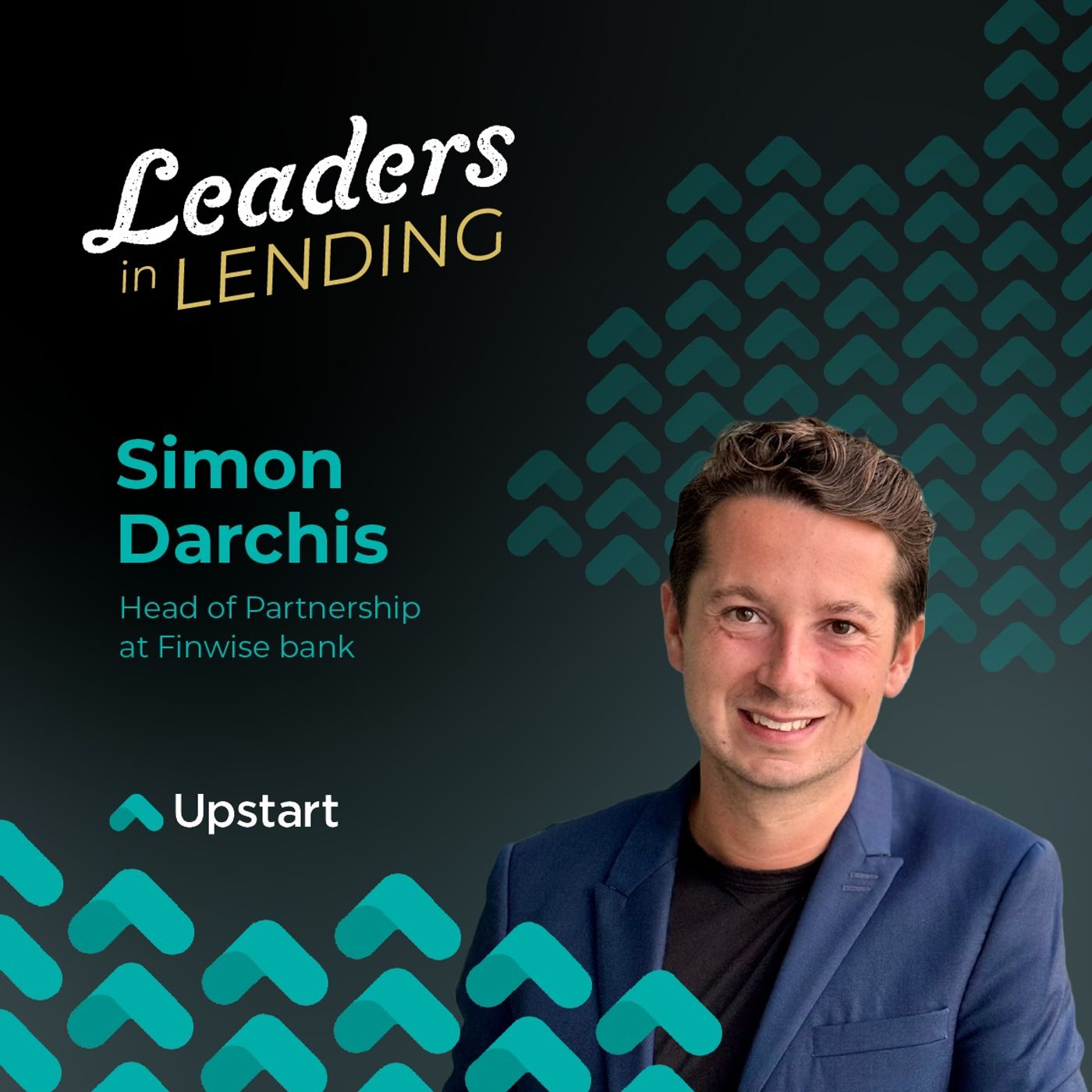
In episode re-air, joining our host https://www.linkedin.com/in/edwardswalters/ is Simon Darchis, Head of Partnership at https://www.finwise.bank/, to discuss his trajectory in the financial services sector from Europe to the US. With this...


In episode re-air, joining our host Ed Walters is Simon Darchis, Head of Partnership at Finwise Bank, to discuss his trajectory in the financial services sector from Europe to the US. With this multi-cultural background in finance, Simon explains the intricacies of FinTech, unraveling the cultural and regulatory intricacies that shape these distinct markets.
Ed and Simon discuss:
- The pivotal role of adaptability in navigating the evolving landscape of financial services
- Insights into the contrasting FinTech practices between America and Europe, emphasizing the significance of cultural understanding in the industry
- The critical importance of compliance in FinTech partnerships, from the challenges faced by banks collaborating with FinTechs to the meticulous partner selection process.
0:01 You're listening to Leaders in Lending from Upstart, a podcast dedicated to helping consumer lenders grow their programs and improve their product offerings. Each week, here decision makers in the finance industry offer insights into the future of the lending industry, best practices around digital transformation, and more. Let's get into the show. Welcome to Leaders in Lending. I'm your host at Walters. For this episode, I had the pleasure to sit down with Simon Darcis, head of Partnerships at Finwise Bank. Growing up in France. Simon shares his perspectives on the difference in financial services between Europe and the United States. In addition, he goes into depth on how he approaches selecting and managing fintech partnerships in today's regulatory environment. I hope you enjoy his perspective. Now let's jump into the episode. Welcome everyone.
0:53 I'm here today with Sarmon Darcis, head of Partnerships Finwise Bank. Simon. Hello, Hey, Ed, how are you. I'm doing great? Thank you for joining me today. Yeah, thank you for having me great. So, you know, the first question that we always like to ask on these podcasts is really folks journey and financial services, you know, so as we'll talk about your role here in a second, but that's Can we start kind of with you giving a summary of your journey in financial services and what got you to the had a partnership role of Finwise. Yeah. Absolutely, I mean my journey in financial services was somewhat of an accident, if I'm being perfectly honest. I was born and raised in Friends. I decided to move to Canada when I was sixteen. The reason why I did that is that I really wanted to become a doctor, and I figured that if you finished high school in Quebec, you could go straight into med school right after high school.
1:44 You didn't have to get a bachelor's degree. So that's what I did. Finish high school in Montreal. Ended up getting into the medical program that I wanted, and I really, really, really hated it. I was miserable for the first semester of med school. Hated the way it was tough. I felt like I just had to learn everything by heart, didn't have to use my brain. So I kind of had to set down and figure out what it was that I wanted to do for the rest of my life, which is a really tough question to ask a seventeen year old that's thirty five hundred miles away from his family. So kind of figured that. I was always a geek, always really into technology, always loved to learn about the economy and global policies and how it affected the lives of citizens. So economics made a little bit of sense. And then what's economics without financial services? So that's how I kind of decided to study comside finance and economics because I decided not to make it easy for myself whatsoever did that and you know, my summer of freshman year it came about really wanted an internship. Didn't feel like doing nothing over the summer.
2:54 So I ended up getting a summer internship at a bank that no one had ever heard of, that was based in New Jersey, in the suburbs of New York that now became an industry name, and that's Cross River, right. So spend the summer there, learned about peer to peer lending because that's what it was called at the time, right, marketplace lending was in terminology that we're using. Spend the summer doing that, and you know, at the end of the internship, I kind of went up to the CEO. It was like, Hey, now that I've started working, kind of want to keep working. Is there anyone that you can introduce Metween in Canada where you know I could keep working for during the school year, And and that's when he offered to fly me out to New York every year, every actually every week it was, and every year it was every week going back and forth between Montreal and New York. And that's how I became a full time intern of Cross River and how I saw the industry pop up.
3:52 Right. We went from marketplace lending or Peter peer lending to what is known now as marketplace lending with the institutional investors, to crypto payments, cards, deposit sponsorship. So had a really really fun time looking at this, looking at this industry, kind of be born from nothing. Graduated, decided that I wanted to try the more traditional finance route, so went to Merrill Lynch for a little bit, and honestly, it was boring. I'm not gonna lie, you know. You go from fintech to this multi century old institution and you kind of feel like you're missing out on the cool stuff.
4:34 So quickly went back to fintech and that's when I joined Finwise. I originally joined Finwise to help stand up this new business line. I think I was employee number nineteen. When I joined Finwise, it was a super tiny financial institution. We I think at the time we had thirteen million dollars in capital, barely over one hundred million dollars in originations every year. Now we're one hundred and seventeen million dollars in capital o our a billion dollars in originations every quarter, so really sell tremendous growth that at fin Wise evolved with the company. You know, at first, the focus was on marketplace lending. We always had this understanding that we wanted to grow past marketplace standing and start sponsoring payments and cards. But honestly, MPL was pretty successful, right and took up a bunch of our time. So as interest rates sorry to rise, in origination sorry to drop, we decided to take a beat figure out what it was that we wanted to do long term in terms of fintech. And and now we're growing in all directions, in all fintech directions, So it's it's really fun.
5:41 No, that's a great story, and I mean definitely that willingness to zig zag, you know, starting with you think you're going to do one thing, and many of us are in that same spot, right we think we're this is what we want to do with our career, and then we get into it, and you know, we pivot and continue to ride that. You have an interesting person spective, as you talked about you know, you didn't start in the States, and so you have some views I would, I would imagine on the differences of how financial services work in Europe as it compares to America. Could you share some of that perspective or some of the differences that kind of stand out to you that occur. Yeah, one hundred percent. And I think most of the differences between the American market and the European markets stem in cultural differences. We always think, you know, Europe and America two regions of the Western world, they're kind of all the same, right, but.
6:35 We we live fairly. Different as it pertains to financial services and money management. For instance, the American economy is very much driven on debt, whether it's it's commercial debt or consumer debt. It's a fun little tidbit. But in Europe we have this stereotype that for every dollar than an American earns he's going to spend three. So the difference has to be made up somewhere. In Europe, you don't have lending as widely available. Credit cards are very unknown. They exist, but they're not very much. They're not very much used. Installment loans same thing. You'll get a personal loan if you want to do home renovation or if you have extremely large expenditures, but you're now going to use a personal loan for a shortfall in budget, you know.
7:27 And we're very much. Taught that at an early age. And I can remember my parents telling me, never spend more than your earn and make sure that you're building, you know, a nice little piggybank. So coming from those cultural differences, FinTechs just grew in different directions in America and in Europe. And I think that's why when you look at the fintech industry, the first sub sector that really popped in America was a lending space, right, especially that it was right after two thousand and eight, no one was lending anymore, very hard to get alone. In Europe, the sector that really pupped was was neo banks, right. It was transactional tools like cards. It was almost Venmo like companies right to facilitate peer to peer payments, but lending didn't take off and still hasn't. As I said, I think it stems in the cultural difference. I think it stems also in a difference of data being available. You know, in the States, even in Canada, we have the credit bureaus. We can easily make an assessment of the credit quality of a customer and all of that on an automated basis. Most countries in Europe, with the notable exception of Germany and the UK, don't have credit agencies. So if you're to apply for a personal loan, you do it at the branch of your bank that you normally go to, and you go through manual on the writing. You know, we
8:58 are starting to see an effort to create open banking in Europe that is actually, in some regards a little bit more successful than it is in Europe because it is created by defentcial institutions and not by FinTechs. But that's all you get. It's access to transactional data. You don't get that holistic view of how a customer may have performed on their past debts. And also they don't get a lot of past debts. So you have that difference and that's why the fintech sector just evolved differently. And then you also have a difference in terms of how business or fintech business is done in America and in Europe. In America, in order for a business to scale, generally they'll create those famous bank partnerships. Right, it's very hard for fintech to get a banking license. We've seen a few, right they've acquired banks, it's gone into nova licenses.
9:55 In Europe, you don't have that concept of bank partnerships. FinTechs very much become banks. There are simplified banking licenses that are available to FinTechs, or they can get full service licenses. And the nice thing about Europe is that it's a conglomerate of countries and if you have a banking license in one of those countries, you can operate throughout the European Union. The market definitely took a little bit of a hit when the UK exited the European Union. The UK was generally the point of entry for FinTechs into the EU. Now that has transitioned to Belgium and a little bit of the Netherlands, but it's very much still the same concept. They get their own banking licenses.
10:37 No very interesting and that and you do I imagine kind of having that unique perspective just as you're incorporating kind of some of your I wouldn't say necessary day to data decisions, but as you're kind of thinking about the macro and thinking about expansion of just understanding how financial services works across the globe to bring those insights and say how you can maybe leverage best price. This is are things that you think are working other places that may may be able to apply here, right. Yeah, no, you're one hundred percent to it, right. Especially I think the best example of this is payments. You know, real time payments have always been a thing in Europe, And when I moved to the States and I was like, wait, I have to wait how.
11:19 Long to send money? It creates you bring those use cases, right, those things that you thought you took for granted, you bring those things to the United States. And when you're in the position that I am right to looking at fintech strategy and fintech products on a day to day basis, that is a good a good baggage to have. It. It's a good knowledge base to have it. It just brings a different perspective and allows for maybe a little bit more creativity as it pertains to product creation. No good now, thank you for sharing that. Very interesting. As we transition to your current role, so as the head of partnerships, can you describe what does the day to day look like? What does the kind of the scope of work?
12:03 So the day to day is very much split into two buckets. On one hand, you're very much a firefighter all day every day. You have to make sure that everything is running smoothly. You have to make sure that everyone is happy, particularly your your partners and your regulators. And you know, I've always somewhat described this roles as having three main buckets of people that your service. You have the internal people at the bank because you're you're the point of contact for everyone, right, internal folks, and your your partners. You have your partners obviously they're your bread and butter. They're the ones that are advertising your products and that are bringing your products to market. And then you have your regulators. So it's always a little bit of a juggling act to make sure that everyone stays happy and stays on the same page. And really the second part of the role is is very much focused on strategy, right. It's trying to stay up to date with the current trends, making sure that the bank is not falling behind on the next trends, on the next products that are going to come out, and how we ensure that we're going to be able to service or offer those products. So it's a little bit of everyday management and long term thinking, right, which makes the job super interesting.
13:20 Now, it's never boring, never, So let me I'll pull on kind of two pieces there. In The first is you talked about the working with regulators in the regulatory environment. Can you expand a little more. Obviously, none of these programs are just set it and forget it, right. There's constant evolution and regulations as things are happening in the environment. So as you're working with your fintech partners and then also managing through the regulatory environment, can you talk about how you're not only staying current what the requirements are, but they're making sure that your fintech partners are meeting up to those expectations. Yeah. Absolutely, And I think it's a it's an important question in the context of what's going on, at least on the financial on the financial institution side right now, how do we make sure that we stay clean and that we run extremely compliant programs. But I do have to say that the recipe for us hasn't really changed at the bank. You know, what attracted me to finn Wise even back then in twenty eighteen, when the business lane was just getting started, was the fact that compliance was put first and foremost. We're not a nonprofit, we are a for profit business. So the you know, the revenue maximization strategy is here. However, it will never come at the cost of compliance, which I think a lot of financial institutions, you know, someone missed the mark on. Yes, there is a ton of business to be had, but you have to be selected and you have to make sure that you're getting into the right kind of partnership. So, you know, yes, when we saw all of these, all
14:53 of these consent orders, it prompted the question of are we good with those things? We are we sure that we're squeaky clean, And I think we somewhat came up, you know, with the decision that we are. But we're always striving for improvements. We're always putting new processes and new systems in place to make sure that we remain best in practice as it pertains a compliance. But if we're being honest, it's always been a little bit challenging to work with FinTechs. You know, in the context of bank partnerships, FinTechs are two things to a bank partner. They are a client, but they're also an extension of the bank. So if they're a client, you strive to maximize your relationship, You strive to maximize revenue, you strive to maximize growth, and you strive to maximize overall happiness.
15:43 If you're looking at them as an extension of the bank, the same principles apply, but you do have more control over them. And I think this is the really critical challenging part of those fintech relationships. How do you. Force a platform and I'm saying force, you know, loosely, but how do you require platforms to adhere to specific things because of your own risk tolerance when they may not be on the same page. So everything is always a little bit of negotiations, even you know, as it pertains compliance, because we may be coming from a different perspective and we have to meet somewhere in the middle.
16:25 We have to meet somewhere or where the fintech is happy, growth is maximized and compliance is preserved. And you know, as I said, it is it is challenging. I mean, we we are financial institutions. We have stringent requirements that we have to live with and unfortunately those requirements, unfortunately or fortunately those requirements also apply to the financial to the fintech. So how that translates in practice is, you know, the outer most need for a trust relationship between the fintech and the bank. The fintech has to trust that the bank is not going above and beyond for no reason, and the bank has to trust that the fintech is doing everything as they've presented. Right, So it's but it is still a culture of trust.
17:15 But verify. We'll make sure that you know processes are being are being respected through reports, through testing that will get done independently, through audits that are done by third party firms. Will get reports on a weekly basis, on a monthly basis, even on a daily basis for some and you know, as part of those reports and all of this data that we get, we look for indicators that something is wrong I'll give you an example if as part of your complaints or as part of a fintech complaint, we see that a lot of people are complaining that there's an issue with repaying their loans because the rasing platform is not it's not great, it's not use or friendly.
18:04 Most likely, depending on the kind of volume of complaints that you're getting in that area, it is most likely an area of concern that the bank has to dive into. So we use all of this data is provided to the fintech to make informed decision and to assess the risk of each partnership. And you know, I'll somewhat wrap up my long answer with an advice for the banks that are looking to get into the space. It looks like an extremely attractive business. You know, at face value, it looks like a business with high profit margins, low op X, very little risk, and that couldn't be further from the truth. I have seen banks that are standing up that kind of program with one compliance person in this environment. It definitely does not work, and it did not work ten years ago. You need to put in the right investment. You need to put in the right to risk control and the right infrastructure to make sure that your fintech is being served correctly, your end user is being served correctly, and that you're staying compliant. And I think a lot of banks right now are missing the mark on this.
19:10 No, some really good insights as you describe, I mean that kind of what I was listening is that the takeaway on that is, first and foremost, there has to be strong communication with your partners and your regulators, because you're right, making sure is everyone interpreting it the same way as you're describing and having those conversations and how are you discussing? And then the second thing I'm kind of taking away is just making sure that you're investing the resources that if you're going to get into this business, don't understaff it and don't make sure you're setting up with the right amount of resources to manage the risk, assess the risk, and manage the partnership. And then that transit lates I'll see. Then let me go your second point you talked about earlier, as you said, okay, first on the regulatory and then you said there's a strategy component, right, so it's you have to decide all who am I partnering with because of what you just described You've said that there's a lot of work, there's a lot of investment you need to make, there's time so finding the right partner. So how do you go about selecting who you work with? And is there a process to that?
20:13 I mean, how do you guys think about that? There is? And you know, the biggest thing is that you can't be worried about saying no to a partner. You have to be selective. So the first thing that we look at when we are talking to a prospective platform is market fit. Is this a long term product that is creating a need or that is solving for a need in the market. There is a lot of startups and it's not just valid for the fintech industry. It's valid for a lot of various industries that are a gimmick candidatey. So you want to make sure that the market fit is there. Then the second thing is the culture of the company and the leadership of that company. Did they run and you know, I'll throw out a couple of things such as, did they ever run into issues with regulators or law enforcement authorities? Did one of the previous ventures that they work at got into that kind of issues? So you look at the past of the founding team, the past of the past experience of the key staff, just to get a sense of who they are and what is the culture that they're looking to create in the venture that is looking to partner with you. Then, finally expanding on that culture, you want to make sure that they have a culture of compliance and that they have the right compliance staff in place, which is sometimes challenging with very new startups. Right, they may not have made the
21:44 investment in the compliance staff, so maybe they're utilizing a law firm to fulfill that need. So and if that's the case, you want to make sure that they have a plan in place to create that compliance environment in house. They can leverage law firms if they want to, but they should have the staff internally. Once we're kind of pass this first hurdle, we have a pretty extensive due diligence process. Right, we want to make sure that you have strong financial macking. We want to make sure that if you're playing on the lending side of the of the of the space, that you have access to debt and you have access to equity. If you're going to be financing everything yourself, we want to make sure that depending on the stage that you're in in the life cycle of your company, which I have put in place matches that if you're a very established player like upside Wise, when finit partnered with Upstart, you're expecting to see quite a bit of pulses and procedures, right, You're expecting to see that compliance environmentorities to that. If it's a newly established startup, maybe not. So those requirements will depend on where the companies that in their life cycle. And then finally, the most critical piece is the onboarding process.
23:00 Us. This is when we work hand in hand with the fintech to make sure that all the right pieces have been put in place to stand up a fin wise product. You know, there was recently updated guidance that was issued by the FDIC as it pertains to third party relationships, so bank partnerships fell into this where the FDIC is now asking the bank to have the right process in place to assess the risk of a relationship prior to entering into that relationship. That's a process that we've always followed that fin Wise, so we feel very confident in the recipe that we've developed to select the right fintech partners. No it's good and it's you have to be thorough.
23:41 It is any partnership you get into as a representation of your brand and an extension of your organization. So everything you described definitely makes sense of why you want to make sure you're doing the amount of diligence that you described. So let me wrap. I always like to as we come to the end, kind of three quick quick questions. The first is, tell me, is there a tech or an app that you just right now? You can't live without that? It is just part of your kind of day to day that is kind of your your go to right now. I mean, look, it's gonna sound various, you're a typical, but I don't think I could live without my phone. Right This is where I conduct business. This is how I talk to my family, that's abroad. It's how I manage my finances, It's how I I you know, even now, it's how I pay right. I honestly can't remember the last time I walked out with my wallet.
24:32 I have my phone. It's enough to do everything so that that piece of technology, unfortunately has become pretty critical to my life. Yeah, you'll walk out of the house without a not bring a driver's license or a wallet or anything like that. But if you walk out without your phone, you're heading back yet. One hundred percent you feel naked without it. Yeah. Now, so my second question is, you know, we're financial services. It's a risk based business. We all have to manage risk if you're in financial services and so and sometimes you have to make internal risks for career or just kind of business decisions. Can you share an instance where you think you had to make a risk or a bold decision and what did you learn, What was the outcome of doing that?
25:16 Yeah, so, you know, I think the biggest risk that I took in my career was to switch over to fin Wise. Right when I started at cross River, I didn't have that consideration of is the bank small, is it big? It was an internship and I was very young, so I didn't have to consider those things. But by the time I left cross River, it was a very established player in the space, right, and so when that opportunity came up at finn Wise, it would have been or it was to go back to very much being in the trenches. A lot of it has not been stood up yet. It's recreating a business line from scratch.
26:00 And that was a risk, but I think it's somewhat what keeps me going in my career. I love being the guy that is standing up new stuff that you know, is trying to figure it out, that that is deep into trenches. It's it's truly what I enjoy. So the switch to finn Wise definitely solidified that I'm this guy that is super happy with new established company and you know, being a jack of all trades as opposed to just being an employee number at a company as big as Bank of America for instance. Now you're looking at it, it sounds like you thrive in that fast paced environment. Now good to hear. And then the last is is we think about twenty twenty four, any bold predictions of what you think might happen, and you know, over the next eighteen to twenty four months.
26:51 I think we'll start to see an even more dramatic rise in the use of artificial intelligence. Lending has somewhat embraced it already. I mean a lot of marketplace lenders now use artificial intelligence based proprietary models, but I think we'll see it even more in other areas. I could see a tremendous rise in the use of neural nets for anti fraud solutions, for instance, for KYC solutions that use extremely non traditional data sources. Right now, if you're looking at fraud, you know, or transaction monitoring, it is using financial service data. I could see, you know, neural nets being created that are pulling from news or pulling from social media, that are pulling from past to usage across various financial institutions.
27:44 So I think we'll see. That, and of course we'll see the rise of artificial intelligence for more operational efficiency and for improving the accuracy of the models that we already have in place today. And you know, I'll wrap up with this. I could, you know, give your predictions all day long, but I'll wrap up with this. I think big tech will eat at the market shares even more than they are right now as it pertains to fintech. You know, if we look at Apple, I think it's a great use case of how big tech can can you know, try to penetrate that fintech industry. They started with an Apple card. It was a partnership with Golden Sacs. We knew that Golden Sax wanted to penetrate the consumer market, and at first it was like this is a natural evolution for Apple, but then it was by now pay later.
28:38 Now it's payment processing right. iPhones and iPads for the past six months have been able to process card payments on device. So I think big tech have seen that fintech is extremely interesting and that there is a play for them, right. Amazon is another great use case. I mean, Amazon has been an extremely vocal adversary of interchange fees in the States. We could see a world where Amazon is creating their own payments hub. They may be creating their own neo bank, you know. I think this will happen sooner rather than later. I don't think this is a multi decade opportunity for those big techs. I think this is something that they're actively working on right now.
29:26 Yeah, you're seeing just different organizations cross traditional boundaries of where you wouldn't think that they would be doing business. But it just do is. Financial services is kind of ingrained in a lot of those components. So we'll we'll look forward to checking back in and saying and some of your predictions. Simon, thank you so much for taking the time today. I've enjoyed the conversation. Learning a little bit more about your background and your journey and appreciate the insights today perfect. Thank you so much, Ed, I appreciate it. Up Start partners with banks and credit unions to help grow their consumer loan port and deliver a modern, all digital lending experience. As the average consumer becomes more digitally savvy, it only makes sense that their bank does too. Upstart's AI lending platform uses sophisticated machine learning models to more accurately identify risk and approve more applicants than traditional credit models.
30:19 With fraud rates near zero, upstarts all digital experience reduces manual processing for banks and offers a simple and convenient experience for consumers. Whether you're looking to grow and enhance your existing personal and auto lending programs or you're just getting started, Upstart can help. Upstart offers an end to end solution that can help you find more credit worthy borrowers within your risk profile. With all digital underwriting, onboarding, loan closing, and servicing, It's all possible with Upstart in your quarter. Learn more about finding new borrowers, enhancing your credit decisioning process, and growing your business by visiting upstart dot com slash for dash bank that's Upstart dot com slash board dash banks.
31:04 You've been listening to Leaders in Lending from upstart. Make sure you never miss an episode. Subscribe to Leaders in Lending in your favorite podcast player using Apple Podcasts. Leave us a quick rating by capping the number of stars you think the show deserves. Thanks for listening, until next time.

