Lessons Learned: Equipping Businesses for Future Crises Post-Pandemic


In the face of unprecedented challenges brought on by the COVID-19 pandemic, small businesses across the nation have demonstrated remarkable resilience and ingenuity, adapting to new realities and discovering innovative ways to survive.
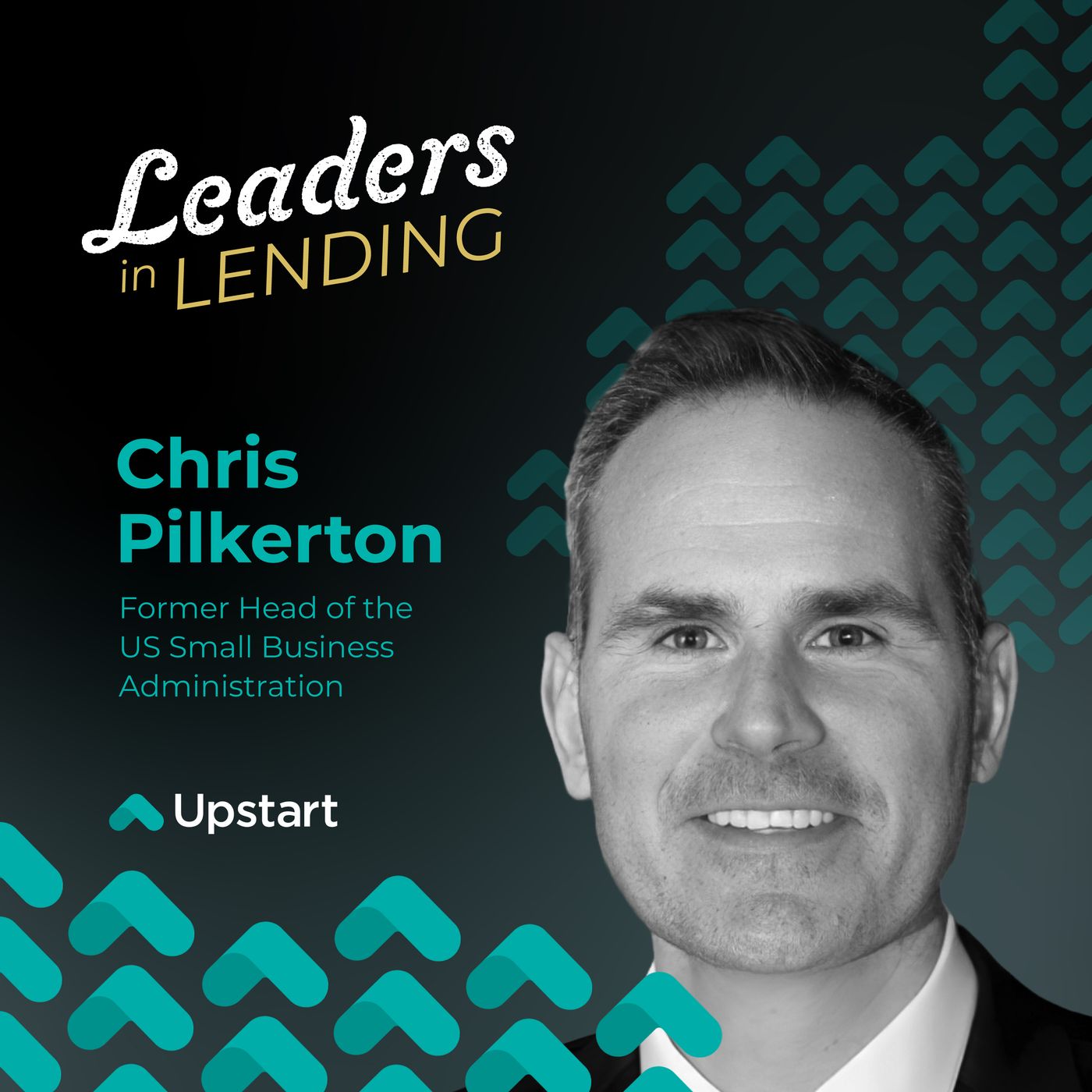
On today's episode, host Matt Snow is joined by special guest, Chris Pilkerton, the former head of the Small Business Administration and author of "Plandemic." Chris shares his unique insights from inside the SBA and the White House, detailing how the Paycheck Protection Program was crafted and executed at lightning speed. We’ll dive into his book, which explores the challenges and triumphs faced by small businesses during the pandemic. Additionally, we’ll discuss the pivotal role of community development financial institutions (CDFIs), the decision-making processes behind massive economic stimulus measures, and the crucial lessons learned for future crisis preparedness.
Join us as we discuss:
- How the Paycheck Protection Program (PPP) sustained jobs and health benefits during the pandemic, highlighting the necessity for adaptable government interventions.
- Why CDFIs like the Accion Opportunity Fund were vital in providing financial assistance to underserved communities, highlighting the need for inclusive support systems.
- The importance of pre-written legislation and streamlined processes for swift, effective responses to future crises.
0:02 You are listening to Leaders in Lending from Upstart, a podcast dedicated to helping consumer lenders grow their programs and improve their product offerings. Each week, here, decision makers in the finance industry offer insights into the future of the lending industry, best practices around digital transformation, and more. Let's get into the show. Hey, everyone, welcome to another episode of Leaders in Lending. I'm your host, Matt Snow, joined this time by Chris Pilkerton, former head of This Small Business Administration, current author Chris Good to see again. Welcome you, Matt. Thanks for having me. Yeah, my pleasure. I've got a copy of your book right here, Plandemic.
0:43 Great book. Really enjoyed reading it. A lot of good detail and I think a good summary of going through COVID and kind of the reaction and lessons learned. So maybe we'll get into that in a second, but you want to take a second to introduce yourself and tell me what you're up to today. Matt. It's great to be with you. Thank you so much. So, you know, as the book talks a little bit about, I started my most recent turn in government in twenty seventeen as the General Counsel at the Small Business Administration. And you know, the SBA is just this tremendous place to work because the mission is amazing and the people that work there are really so committed to it, the folks that are careers that have been there. In fact, I had two lawyers on my staff that had been at the agency for almost fifty years, and so you have a lot of people that stay. They don't really bounce around the government because they're just really committed to the mission. And so that was something that struck me right away. And it was a very hands on place in other words, when small business owners had questions or what have you, people were picking up the phone, you know, really being helpful, sort of you hope the government would be.
1:54 And at the time, Lynda McMahon was the administrator and as you may, she was CEO of World Wrestling Entertainment. Her and her husband started that organization, and so she was a true business CEO. And so when I first met with her, what she was looking for was someone that was a lawyer who was interested in policy, had that experience, but also had litigation compliance, regulatory experience, and all of that really translated in sort of the business general counsel that I was looking for. So I was involved in a lot of the meetings across the board from a policy perspective, with the different agencies, with some of the other secretaries. And then in April of twenty nineteen, she stepped down and so the White House White House named me to be the acting administrator. Now you never quite know how long those positions are going to last.
2:47 You know, it could last a week or two weeks. But there's a whole process where I was deally in a Senate confirmed position. Someone actually has to get confirmed by the Senate. Well, the individual, Jovita Caranza, wasn't confirmed until January of twenty twenty. So I was in the role for almost a year as the head of the agency, and it really was just an amazing experience, and I talk about how incredible it was in the book, but in large part because it's so hands on your meeting with the small businesses. You're seeing the impact that technical assistance and the loans really make in their businesses, their lives, their families, their communities. And then when the pandemic started, I moved over to the White House, and that's where I talk about in the book, sort of my experience within the White House what was happening with the Paycheck Protection Program. And one of the things that I saw that was so impactful during PPP was the impact of community development financial institutions organizations that were literally inside these communities who were lending and making a huge difference, particularly in underserved communities. And so when I left the iministration, I ended up working going to work with Axiom and Opportunity Fund, which is where I am now as their general counsel, and it's the leading small business CDFI focused exclusively on small business and so it's a it's a great place, some tremendous folks. So it's sort of like
4:18 the nonprofit extension of the SBA. So, yes, what I'm doing now, that's what I do. I've done a couple of fellowships, and one of the fellowships that I finished up at the Kennedy School was really the base or the basis for the book Plandemic and all the research. So it's been a really fun few years and I'm just really committed to this space and it's all kind of worked out. Well, Yeah, that's great. You could find that combination in Axiom with small business and the CDFI. We've gotten some great partners that are CDFIs at Upstart, and I've learned more about that space I wasn't quite as aware prior to joining. And yeah, the ability that they have to really impact communities that they are in is really really meaningful. So that's really cool that you get to do that. And small business is hugely important to the American economy. So again, like seeing those through those stories through your book was really really great to read about. And maybe like starting with the end, like do you think we got it right?
5:21 Like through the COVID pandemic, the stimulus, all the programs around PPP, like the focus on small business. You know, what's your assessment? Did we get it right? Was that the right reaction? Is it too early to tell? You know, I don't think it's too early to tell, because if you look at if you talk to folks on both sides of the aisle, left and right, you know, lawyers, policy folks, particularly economists. Given the circumstances that we were in at the time, I think it absolutely was the right thing to do, and in large part because the options were really limited when you go back to two thousand and eight. And you think about the Great Recession and different financial crises that we've had, these have all been issues sort of related to liquidity in the financial system.
6:10 So cash infusions, all the things that had happened really were ways to sort of manage that. But in this situation, we didn't know when the virus was going to end or would be able to kind of get control of it. So the approach that was taken with the paycheck Protection program was really to sort of, you know, keep workers tied to their businesses so that they could continue getting paid, so that they can continue health insurance and all of these things that are just you know, so important for you know, any family living in America. And there were some external pieces of this too that that folks may not necessarily know about, and I talk about this in the book is you know, one of the questions that I've been asked by various economists is, well, why didn't we just do a massive unemployment program, Like why didn't we go ahead and inject money into the unemployment system.
7:04 And there was a very significant unemployment piece associated with the Cares Act in pandemic programs. But one of the reasons that it wasn't done that way was because the unemployment system is set up state by state. There's a federal component, but really it's state operated and some of those operations were actually programmed, you know, forty fifty years ago on colbol programming language. So you know, there was so many possibilities that if there was just one tweak, one issue and a system goes down, what does that mean for you know, a community, particularly communities living paycheck to paycheck. And so this was the approach that was chosen.
7:53 And I do think that when you look at the number of jobs that it saved, and there's a lot of scholarship out there, you know, on the high end, on the low end, but even on the very low end, it was you know, the millions of jobs that were saved. And so what I try to do in the book is take a look at it really in you know, a bipartisan way, and say what did we do well? What did we do? What were the challenges? Were things that we could do better the next time? And the reason I think it's important to do this book now. In fact, I was speaking to one one reporter about just doing an interview of the book, and he said, it's called plandemic, because wowre that's a you know, that's a really like title that's gonna gonna you know, turn people off. And I said, no, the point of it really is to put the plan together. Now, the idea that if we work on these things, and we work on them not just at the executive level, but you work with them with Congress, and then you're working within the communities, and so I think you know, at the end of the day, it's about planning and preparation, and it's about getting feedback, you know, not just from the communities, not just from the politicians, but you know, to the point you made before, also the lenders, right, what worked?
9:18 What were we putting more regulatory burdens in this process than lenders could really handle. I mean I've had a lot of conversation with lenders that said, look, we got this guidance, you know, within a few days before, and I think everyone understood that a lot of this was being done in real time. You know, the legislation was lightning fast from a legislative perspective. But then there's the whole process of rules and you know, just FAQs and guidance and those kinds of things, and that can be you know, difficult for anyone to absorb, particularly you know, large lending institutions that have a lot going on anyway. And so going back to the planning idea, now we can sit down as a government, sit down with lenders and say, look, if we were in this situation again, what would make the most sense to you, How would you be able to assess these loans, and how would you be able to get money out the door? Because at the end of the day, you were talking about a program that was about eight hundred billion dollars and the lenders were the tip of the spear getting the money out the door.
10:22 Yeah, definitely, I want to come back to a piece of that because the logistical challenges I didn't really appreciate until reading through this book and really like laid out a lot of those challenges, like you said, from a local to a national level, all the different layers of government and finance and the public sector and private sector working together, and how to bring that all together, especially as you mentioned like speed as the mandate, right, so you think about all the different possible solutions and what do you orient around. I think this crisis really called for speed is like the primary focus, So maybe talk a little bit about that, like, how how was a solution able to come together so quickly, partnering, like you said, with different cd CDFI's, in market, fintech's, traditional banks. How do you get all of those different stakeholders involved as well as you know, Congress and rulemakers and figuring out how to you know, manage a program like this.
11:24 Yeah. So I mean if you go back to when it actually was happening, because remember, you know this was COVID, right, so most government employees were not in the office. So you had this small group of folks within the SBA and Treasury, and you know, Treasury was really the big lead on this who were committed to getting money out the door. And to your point, speed was the most critical factor. And there was a lot of conversations that were being had, you know, not just with lenders, not just with trade associations, uh, but you know, with different communities on what's the most effective way to do this.
12:06 I myself, after the FAQs came out, I would do all kinds of meetings and webinars with trade associations and different groups and literally try to get you know, thousands of people on these and just explain sort of the nuts and bolts of the process. Well, when you're explaining the nuts and bolts of a process that started twenty four hours ago, you're going to find issues, right, what about this situation? What about that? So people would say, well, you know, these FAQs are coming out, and then twenty four hours there's more FAQ's, and then forty eight hours from there there's more you know, information and what have you. And that was just the nature of it. And I think, you know, with hindsight, I think everyone understands and appreciates that because it was being run through the SBA, but it was a new program, you know, you know, as a lender, the seven A program, which is the flagship program at the SBA, it has very specific rules, you know, rules like credit elsewhere and some of these other sort of lending SBA terms, but they weren't applicable here. But while you're trying to get the money out the door, there certainly was the understanding that you also have to be as responsible as you can. I think, you know, when you're talking about eight hundred billion dollars, is there going to be fraud in a government program that big?
13:33 I think anyone would say, yes, there's going something is going to happen, right, and there's different estimates on what the sizes of those those are. And obviously the paycheck Protection Program wasn't the only issue there, but the reality was, at the end of the day, this was a way to keep people, like I said before, tied to their jobs, tied to their health insurance, and get them through whatever that period was. And it goes back to the point I made before. We didn't know how long that period was going to last. And for me it was really interesting because when I was doing the research in the book, I only looked at the United States, but I looked at a number of other countries and sort of how they did things differently, particularly through Europe and Asia, and found that the way that they looked at the pandemic was in sort of a rescue period so called maybe the first four or five months of the pandemic, and then a recovery period, and so a lot of the things that they did were based on, you know, how do we build these businesses back up? And I think the US process there was there was elements of that, and the rules of the PPP did change somewhat, but I think there are pieces of that, particularly around like deregulation and things that can be done on the very local level to help small businesses. I mean, the perfect example is, you know, we all heard about how local ordinances were pulled back so folks could do takeout and
15:04 sort of be eating outside and all those kinds of things. And those are small, but anyone that's ever worked with local government before, that stuff doesn't necessarily happen overnight. And when I was at the White House, I would do conversation conversations with mayors and governors and local economic officials, and I mentioned this in the book, that you know, some folks had a sense of what they wanted to do or needed to do. They would all tell me that their first, you know, their first top three problems were obviously health and safety for their communities, concern around the small businesses, and then housing because obviously the small business is high, you know, and so the workforce. But there were some mayors, and I didn't really blame them.
15:49 They they didn't know what to do. And when you get a call from the White House, you know you're thinking, all right, I'm gonna get the answers. But the role that I had. I was trying to find out, you know, what they needed, and it ended up becoming the sort of fascinating, you know, policy process for me because I would, you know, talk to a mayor in one city that they still had shove already construction jobs where they were trying to lay fiber optic line through bridges, but they didn't have workers who were trained to be able to do that. And then I'd speak to a mayor in another city that actually had a maker space or workforce development center where they were training people to do that. So, you know, trying to find ways to match people up.
16:32 And so it goes back to once again that that preparation that certainly has to be done at the federal level. And I sort of make the case that going back to the FAQs and things that I mentioned, you could pre write some of these things. There's always going to be a need to tweak and the circumstances are going to be different, but you could pre write some of that. You could pre write maybe some of the emergency legislation, recognizing that, you know, no matter how bipartisan is, it still Washington and people are going to have their own takes on things. But if you had, you know, the bulk of the project plan ready then for the next crisis. And I'm not talking about a health crisis, just a you know, sort of a i'll say, a garden variety economic you know, circumstance. Those kinds of things could be implemented, and it may not be as easy as flipping a switch, but you certainly wouldn't have to start from scratch.
17:25 Hey there, former host Jeff Kelviner here to let you know about an exciting opportunity to strengthen your understanding of artificial intelligence and financial services. If you want to better understand the fundamentals of how AI models work and how they will impact the financial services industry, your luck. Upstart is launched an online course and certification designed to do just that. This course will give you the knowledge you need to lead the conversation about how your organization can best leverage and manage this revolutionary technology. If that sounds interesting, check out the course as it's currently free for a limited time. You can learn more at upstart dot com s AI Certification. Again, that's upstart dot Com Slash AI certification.
18:05 Thanks and now back to the show. Yeah, thanks Chris, A lot of great detail in there, and maybe on a lighter note, one of the things I still remember about that time. Whenever my wife and I order from our favorite Mexican restaurant. Here we live in a small rural town in Ohio, things move a little slower, you know. We order our margeritas to go and I can get that in that cup. But it always feels a weird, a little weird driving back home with a margarita next to me. But you know, still it's a reminder of some of the innovation. And like, you know, pushing the boundaries a little bit as we're trying to help small businesses stay, stay alive and a float through you know, that uncertain time. But you also mentioned I was struck by a couple maybe seemingly extreme concepts in the book too, where you talk about the correlation to healthcare, and maybe we can talk about doctor Osler a little bit, but the idea of you know, washing your hands as the best preventative mediciner.
19:00 You know, those simple things that you can do can help keep you out of trouble long term. Not that it's going to prevent a pandemic, but you know, how do we think about planning ahead and doing those essential things, but also in those times kind of extreme remedies for extreme diseases and like being fast. So maybe talk a little bit about the parallels you saw there and that through line as you discovered doctor Osler and his following. Yeah. So, so doctor Osler was a physician who was one of the founding physicians at Johns Hopkins University. And whenever I write, I try to come up with some metaphor that connects the circumstance, you know, back to the reader in a way that's digestible. And for this book really focused on the idea of what doctor Osler brought to medicine. So every medical student who or any doctor who's listening to this had to read a book by doctor Osler, and he has one of the foundational books that's required for medical school. And you know, he lived in the eighteen hundreds into the early nineteen hundreds, but he's sort of known as the father of modern medicine.
20:12 And he's known for that in large part because he brought to the medical community this concept of medical students doing rounds, actually engaging with patients as opposed to just learning from a book. And he would he was at Johns Hopkins, and then he was over at Oxford and he would really engage with these students, and you know, he had apparently the best medical library in America at one point, and so students would come to his house and he would actually give them keys to his house, and they would research at his house in his library, and they got this nickname the Latchkeears. And these students would come in and apparently on any given night, you know, some would come, some professors, and it would sort of turn into this party of just a discussion, you know, all these different folks, the sort of salon of people just talking about it, like on you know, a random Tuesday or what have you. And so I thought it was really important to use that as the example of kind of the doctor patient relationship because in these circumstances, of course, the private sector was incredibly important, but the government was setting the stage and in large part, these small businesses were the patients in this circumstance. You know, people always use the phrase that small businesses are the engine of the economy, they're the backbone of the economy, and that's all true, but in this case, they really needed the help, and they really needed the support and
21:45 so Ostler was also a bit of a character and had some really great sayings and phrases, and so I use some of those in the book as you reference to really kind of talk through what are ways that we can kind of learn to really apply some of the lessons of the pandemic. And you talked about sort of the idea of clean hands sort of just being the best antiseptic, and that I think part of that is too, is just common sense, right, And so I think a lot of this is common sense, and that was the experience that I had inside the walls of the White House and inside the government to be able to do that. But you know, I think, but something is going to happen again, and being prepared for it and understanding it. It's not just about you know, reading the history of you know, ten years from now, twenty years from now. It's not about reading the history of the pandemic. Sure that's going to help, but if we actually have an action plan in place that is practical, you know, it's not one of these Blue Riven commissions where former governors and you know, a former whoever are sitting on it. Those are fantastic, they have their place, but in this circumstance, you need people who I think who were there or at least very close in time, including you know when I say people are talking to government lenders, small businesses, local officials to really help put
23:16 this together. And so my hope is that this concept and these suggestions will be picked up. And fortunately I've had some good conversations with policy makers and I think they will. That's great. Yeah, And I think one of the other things that struck me is, I think we joked about this before, like the idea that history doesn't repeat itself, but it often rhymes. So I think you do a good job of comparing not only you know, health related pandemics, but other disruptions in the economy, whether that's you know, war or terrorism, other you know, massive shocks that that disrupt the economy. So you know, not being so specific about like you know, another disease driven shut down of the economy, but like what else can we learn from and how can we prepare? So I like, I like the correlations you draw throughout the book as well through that, but so do you see, like in in the short time after the pandemic, like, are we thinking proactively about some of these things? Is there stuff that's changing, or you mentioned the state unemployment systems being written on co bal or those being upgraded, or are there tangible things or is there like another hungry wolf at the door that's taking our focus away, and like, you know, maybe this is a distant memory that we're focused on the next urgent thing.
24:35 Yeah, I think right now, you know, we're we're taping this on October ninth, and so at least the United States, it's certainly focused on an election in a few weeks. And there's still a hangover I think from from COVID from the pandemic. Right, there's still they're you know, small businesses are still feeling it. There's still obviously, you know, the small business optimism decks has been low recently in the face of inflation. Some of that having been done are accountable to you know, a lot of the spending that happened over the last few years and those kinds of things. So I think we're as a as a country, maybe we're not ready to do this yet. But as I alluded to conversations that I've had with folks, this this just makes sense. Right. No one has come to meansidy Chris I don't think we need a plan because I think, you know, people who are on the right and the left appreciate and understand that. And I really do think that this can be bipartisan, you know. There the legislation for the Cares Act was ultimately passed in five days, which is just amazing when you think about how long these conversations can go on the hill, much less, you know, actually getting a vote. Now, granted, it was obviously emergency circumstances and an incredibly unique time, but one
26:07 of the other quotes I have in the book is from Louis Pasteur, and he says, it's it's the microbes who will have the last word, right, So we can't pick the time when this is going to happen, so we've got to prepare now. Yeah, totally agree. Well, I've really enjoyed the conversation, Chris. I know you've got another project you're working on which I'm anxiously awaiting. Is there any other piece of advice or a thought leader, you know, other book podcasts that you want to leave the audience with maybe to stay up to date with stuff like this, or how they might follow you. Yeah, so you can follow me on X at c Pilkerton.
26:47 One of the projects that I'm working on right now is the impact of artificial intelligence on small business and workforce development and what we you know, can expect going forward. And I've had these tremendously fascinating conversations with all kinds of AI small businesses that are sort of they seem to be popping up everywhere. But you know, people always talk about the greatest business successes our fifteen year overnight sensations. Right They've been really working at this for a while, and so there's just some amazingly interesting products out there. And I think in the context of sort of what we're looking at at current events right now, what does automation mean for the workforce. When I was back in the administration, this ties back to the pandemic. I had the chance to go down to spend time in North Carolina in some of the advanced manufacturing centers they had there to support sort of reshoring textiles, and one of the ones that I worked on was working with was focused entirely on apparel. They were working with some of the big apparel companies and doing T shirts and shoes and all these kinds of things, and a lot of it was, you know, coded in the background. You didn't necessarily see the workers and the factories, but there was a lot of technology that was being developed by the workforce. Well, what they ended up doing during the pandemic they called me and said, we know that people need masks, we know that people need gowns. They turned their entire operation
28:18 on a dime and started creating this. And what was really fascinating to me was it was almost like this World War two effort, and it showed the importance of the domestic manufacturing supply chain. So while I'm also looking at AI and looking at the impact, I'm really hoping that as a country we start focusing more on these manufacturing ecosystems. So as a country we were producing, we can be more resilient when it comes to supply chain issues, and I think things like that will ultimately help the next crisis. Awesome, Well, yeah, like I said, looking forward to it. Hopefully you'll come back once you finish your research there and share more what you learned in that.
29:03 I would love it. Matt really appreciate the time today. Thank you. Upstart partners with banks and credit unions to grow households and expand consumer lending through its leading AI lending platform. Upstart powered banks and credit unions leverage AI to offer higher approval rates and experience lower loss rates, while simultaneously delivering the exceptional digital first lending experience that consumers demand. Whether you're looking to grow and enhance your existing personal and auto lending programs, or you're just getting started, Upstart can help. Upstart offers an end to end solution that can help you find more credit worthy borrowers within your risk profile. With all digital underwriting, verification, loan closing, and servicing, It's all possible with Upstart in your corner. Learn more about finding new borrowers, enhancing your credit decisioning process, and growing your business by visiting upstart dot com slash lenders.
29:55 That's upstart dot com slash lenders. Yeah,

