Niche Markets, High Impact: Leading the Charge in Early-Stage Credit Facilities
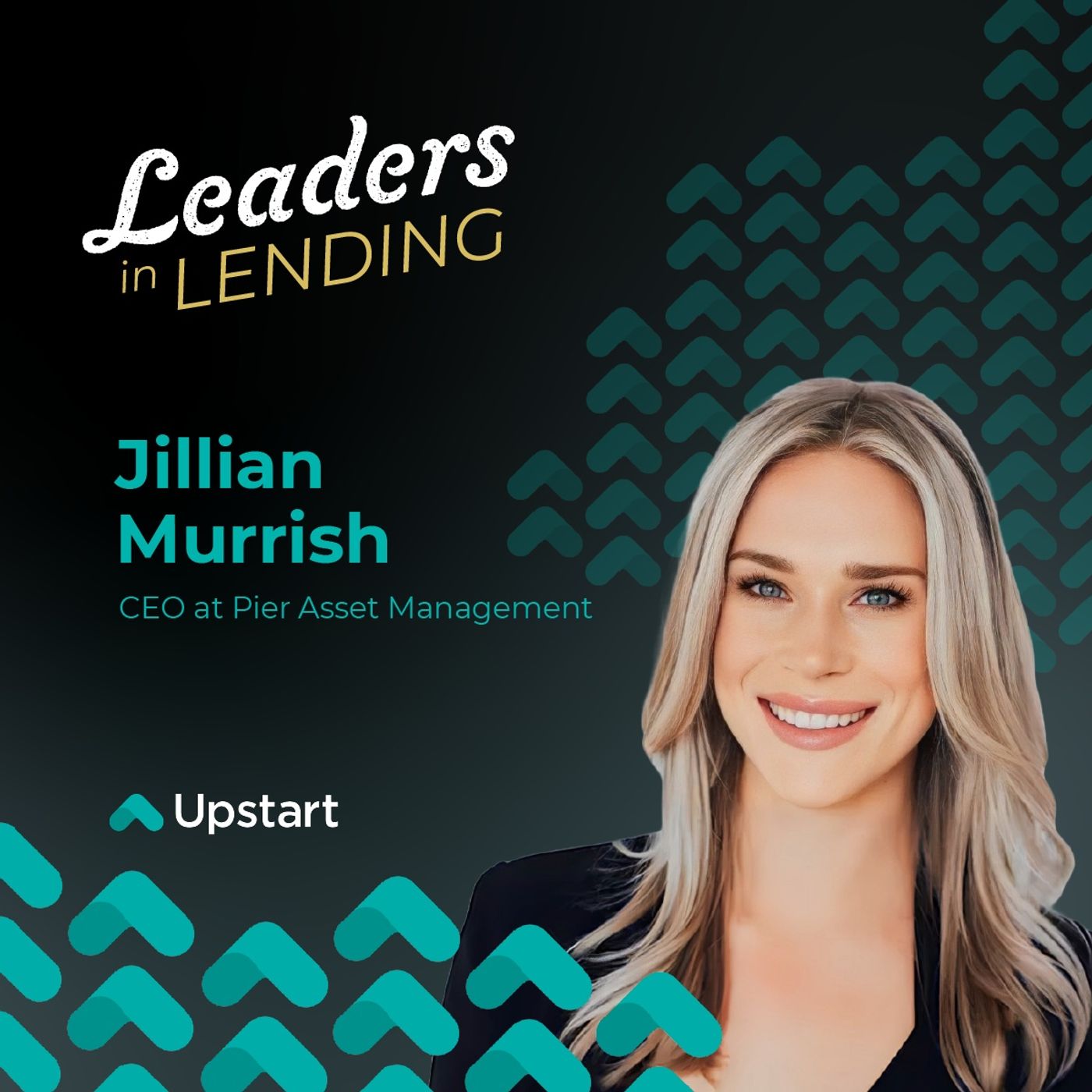
In today’s episode, host Lynn Sautter Beal talks with https://www.linkedin.com/in/jillian-jaccard-murrish-b324a52b/, CEO of https://www.pieram.com/, about the waves she and her firm are making in the market — targeting less liquid and underserved...


In today’s episode, host Lynn Sautter Beal talks with Jillian Murrish, CEO of Pier Asset Management, about the waves she and her firm are making in the market — targeting less liquid and underserved areas while focusing on secondary markets and early-stage credit facilities. Jillian shares her journey from working in online real estate to co-founding Pier Asset Management, while offering valuable lessons on flexibility, operational ease, and evolving borrowing bases for early-stage originators along the way.
Join us as we discuss:
- Why early-stage originators should avoid using expensive equity capital to fund loans
- The change in defining secured vs. unsecured lending
- How targeting less liquid areas can help generate alpha and deliver better returns for investors
- The role of privacy, reputational risk, and the regulatory environment play in decision-making in evaluating potential partners and deals
0:02 You are listening to Leaders in Lending from Upstart, a podcast dedicated to helping consumer lenders grow their programs and improve their product offerings. Each week, here decision makers in the finance industry offer insights into the future of the lending industry, best practices around digital transformation, and more. Let's get into the show. Hi. This is Lynd Suterbil of Upstart, and welcome to Leaders in Lending. I'll be joined today by Jillian Murrish, who is the CEO and co founder of pere Asset Management, a private credit investment firm focused on niche jales and specialty finance. Jillian has a deep background on both the buy and sell side and the private credit markets. Let's get started. Hi Jillian, and welcome to podcast. Hi Alinn, I'm so happy to be here.
0:51 Thank you for having me on great Well. To start off, can you tell me a bit about what role pere Asset Management plays in the market. Absolutely so. We are a capital provider in the specialty finance space. Specifically, what we do is provide senior secured credit facilities to early stage loan originators, so we lend against their loan book. They use our capital to go out and originate ones. And then second and we act as a buyer in the secondary market of these long portfolios. So, you know, if a fund is winding down and they need liquidity, or a you know, loan originator is winding down and they need to sell their long book off, or they just have some need for liquidity, they need to clear off their warehouse line, they'll come to us. We'll put in a bid on that portfolio and buy it after it's ben well seasoned. So those are really two roles we play as a capital provider. Great, well, I know you and and kinter New co founded Peer in twenty seventeen. Was this your first time being a co founder in a real way? Yes, I had. My first company was in college and it was a consumer goods companies selling cell phone cases, and I was the sole founder of that firm, but ended up bringing on a business partner later. But in my adult career, this is my first time co founding a firm. Sure, sure, So what I would say, you know, what's been one of the most kind of surprising lessons that you've learned since twenty seventeen is being a a co founder of a
2:23 of a new company. Well, first, and foremost, I'm so glad I'm not at this alone. I've learned that I loved having a co founder. It's especially someone who compliments me so so well. So people who know Connor and I know that we're opposite in demeanor. So I'm more dynamic. Lou would love to be social. You know, Connor is a bit more reserved and quiet, and so that's an outward you know, easy to notice difference in our personalities, But when you dig deeper, I get down to the things that we like to spend our time doing. You know, what are we good at, what are we the best at? It's generally the opposite, and so it makes it really fun to run a company with someone like that, because I'm doing a lot of what I love and very little of what I don't love. So I think that's really the real reason why having a co founder who's just you know, likes doing opposite things it's fantastic.
3:15 And then, you know, something I didn't think about when we started the firm, but I started to develop a sense for why the partnership has worked so well, and it really comes down to, I think the fact that we have the same risk tolerance, so when we have very different views on various aspects of our business of the market in general. We generally approach problems in different ways and identify different risks, but at the end of the day, it's a go no go decision on various things with the business and with investments we make. And having someone who has a similar level of risk tolerance of things, you know, imperfect information or no, we actually need perfect information on this, but not on this. I think it's allowed us to make decisions in a seamless way and run the company in a relatively frictionless way since inception, which I'm so grateful for. He's been an incredible co founder. Well good, that's good to hear because I know, I'm sure that's a very very closely tied relationship. And just you know, having work tear at Upstart from the time when we were smaller and pre public and now a public company, you spend a lot of time kind of in the trenches with people. So how did you, I think, how did you encounter meet and then what really led to the idea of starting peer asset management.
4:38 So we minted a conference in I think twenty thirteen or twenty fourteen. We haven't mailed down the exact exact date or which conference it was, but we met in person through mutual industry participants, and I remember kind of my first conversation and hearing about him from others that he was a pioneer in investing in specialties nance. You know, at the time, it was really called marketplace lending, and I was running the capital markets practice at an online originator, so I was producing loans and selling them off into the capitol market's ecosystem, and Connor was on the other side running a suite of funds buying these loans. So you know, he had actually bought one of the first whole loans at Funding Circle, you know, it was one of the first loan buyers lending club. And when I was building out our loan whole loan sale program, he was one of my first calls. It was, Hey, he was innovative in the space. You know, amendment a conference, maybe he'll buy my loans. And it was a real estate originator and his bread and butter was consumer and small business. So he came in for a meeting and very quickly said, you know, I don't think I'm going to get comfortable in this space, but was curious, wanted to hear you out. And so within the first meeting we realized we weren't going to transact, but we were opposite on opposite sides of this market, and we were opposite participants.
5:57 And quickly we started providing value to each other in terms of kind of under the hood, know how, from the other side of the trade, which started providing me a lot of value in my work at that time. You know, he would share warehouse lenders to the funds or requiring XYZ. When you're putting together programs, you know, managed them this way. You know, I would say, hey, a lot of firms are using you know, sub servicers and farming out, you know, servicing even below what you would have imagined, and so ask about you know, these specifics. And so it became an interesting working relationship where we get together probably once a quarter and just share insights, talk about the space, see if we could be helpful to each other. And in twenty sixteen, I have to give Conor the credit. We got together for one of our catchups and I walked in the door, sat down at the table at Pete's Coffee in Westwood. I remember like it was yesterday, and he said, I want to spin out from from my firm and form a new asset manager. I think we'd make great business partners. Will you do it? And whoa? And you know, it was actually perfect timing where I was ready to go back out and do something on my own. You know, I had been that young entrepreneur and then went and worked in and helped build firms, but it was really ready to go out and strike out on my own again. And so the timing was perfect. And so we started talking through our thesis that we had on the space that we really had been developing over the course of a few years. And really we're seeing that the primary market in the space was quite
7:27 saturated and there were big institutions and banks buying the loans from all the platforms, yields it compressed, and so we were really getting creative as to where where was the alpha, like, where could we generate alpha? How could we deliver better returns for investors? And for me that was sitting within the ecosystem delivering loans and see where was there less liquidity? Where were the fewer investors when I was bringing things out out to market, And for Connor was where was I competing against fewer people? And really that was how we identified the secondary market, just not having active participants or consistent participant and that was really kind of the genesis for Peer. And then also the early stage credit facilities just weren't weren't really serving loan originators in a great way. And I had experienced that as an operator and talking with the CEOs and CFOs of all the other early stage originators. It was a common problem across the board for kind of fifty million dollar warehouse lines. It was, you know, I'm using a logic puzzle to fund my loans, some with a partner of capital, some with my bank line, some of my family office line, and you know, I ended up with one large line from a family office that funded all my origination flow. And even though it was more expensive, it was a great product and it was better for operational ease. So that was when I looked at Connor and I said, if we can solve that early stage or early stage warehouse facility problems, there's a lot of demand for it, and we could make you know, pretty penny doing it because nobody is and it's such a value to these early stage firms no, that sounds it
9:00 sounds like you guys definitely have a really kind of complementary skill set. I think sometimes you see people go into business or hire people or work with people who have they look for people who have very similar sales skill sets and then they have those kind of gaps there that they don't know about. It sounds like the two of you have complementary skills and experiences on the market that's really helped help kind of term my charge what you're doing. So what else you know? I know you mentioned you you worked in an online real estate lender. What as you kind of built and scaled with that company? What are some of the biggest things I mean, obviously that helped you identify the market you wanted to go into, But what are some of the biggest kind of lessons you learned that you brought to peer to help help shape what you're building?
9:41 There? Say, first and foremost smaller, earlier stage a loan originators require a very different credit facility product than large mature originators. And in the early days, you know, not kind of twenty thirteen to twenty fifteen or twenty twelve to twenty sixteen, the large warehouse providers like the mcqueries of the world's areas. You know, we're trying to come in and serve that market and you know, being great participants in doing so. And I saw there were a lot of challenges you know, using the same structure and the same type of terms for a small firm versus a mature firm. And really, in my view at that time, I developed, you know, a very strong view that early stage originators the priority for their credit facilities should be that it preserves flexibility, optionality, and has ease of operational use. When you're an early stage originator focusing on growth in those early credit co words, the operational friction that a larger, larger, more structured facility can bring can really tank or create bigger challenges than a lower cost of capital would make worth.
10:50 Furthermore, you know, again, cost of capital at that size just isn't as important because again the growth, the proof of concept, focusing on credit quality out was more important. And then lastly, like the multi year lockups of the more traditional warehouse facilities, we're not providing the flexibility that the early stage originators needed around product, like product would evolve and change within the first year or two or three. You know, one thing I was working well, one product wasn't, and having that flexibility of product mixer being able to kind of change that barring based subtly based on what products are working or not would be most critical for success. So I think it was really identifying that it was kind of two very different products later stage mature warehouse lines versus early stage lines, and the needs change over time, where you know, larger mature originators really care about cost of capital for good reason, and it starts becoming a profit center for them, whereas early stage that's not really the focus.
11:48 So being in the trenches building that capital markets practice from forty million to three quarters of a billion, I really saw that internally and what was working at what stage of the business. And surprisingly some of the more structured and sophisticated facilities created risk on both sides for being too structured. So like, for example, I received a term sheet one time from a kind of quasi bank, and I remember they had plattal reportings. It had to be on Wednesdays, and we would sell all of our loans off our book on Tuesdays.
12:28 And so the barring base, which shows you would have no loans tied to it every Wednesday, and it balance all the cash, and so that lender would have almost no insight into what was platteralizing them in between those interim reporting periods. And so you know, really my viewshade to A, it's just a different product, and then B, the facility does need to be built around the early stage originator versus a product as a credit facility being served to them. So that was probably the most important learning from from my time there. And I think you when you when you and I've talked before, you described that as kind of more of a solutions oriented capital provider like that, Yeah, the capital provider is kind of meeting the originator at the at the place they need to be met, and I could I can see that with those sorts of kind of very specific restrictions where maybe the person who is drafting that isn't actively involved in more of the business side of what they're drafting, and the the timing of that doesn't exactly exactly make sense. So you know, I do think you have a really interesting, unique perspective on that path to funding for early stage fintech originators, and you kind of talk through it at a at a high level that maybe you know, kind of more detail of of what are those sources of funding like you know, helping our you know listeners understand, uh, you know, whether that's partner or personal capital, family office, kind of what that path looks like and what those capital providers can offer and maybe some pros and cons as they as they go
13:58 through that path. As a founder, sure happy to talk through this. So for early stage originators who just started out, you know, you've been building a product and you've originated zero loans, like, no loans have gone through your pipes yet. You know, what we see as most typical source of funding is usually equity capital. So maybe the firm has raised a few million dollars of equity capital. They're using that to build out their tech and their infrastructure and you know barber acquisition channels, and then they reserve maybe five hundred thousand dollars for that first cohort of loans other founders, which I think this is a very smart move. What they what we've seen happen often is the founder will actually go out to either friends and family or they'll also seen those venture partners personally do this where they'll give a one hundred thousand, two hundred thousand dollars unsecured promisory note to the operating company, and the intended purpose is to be used to fund loans. And you know, it's a fixed coupon. Generally it used to be twelve for then it's probably higher now, and and they use that capital to fund the first five hundred thousand or a million dollars of loans. I think that's a fantastic model. You're not using your equity capital, which is the most extensive capital, to fund your loans.
15:13 But you're also not trying to structure something and get into covenants and you know, creating SPVs because at that point it's too small. You have to prove the concept that you can actually originate and get loans through your pipes before you go through all that headache to actually set up something as structured. So from there, I think, you know, once you have five hundred one thousand, two million dollars of loan volume, generally the next step is dependent on how fast your loan product shows performance. So very short duration products you could have a full revolution or revolution of that credit product within three months. Longer products that have you know, maybe it's student loans with five year term, you have to start showing early performance data, but that is a larger challenge and you're going to have to stretch out that time really to see performance before you're going out for this next facility. So just bear that in mind and keep that in mind for the pace of growth from kind of zero to one million. It depends on how quickly you can kind of show any sort of performance. So from there it's really approaching firms like ours and potentially family offices to get a ten to fifteen million dollar first credit facility. This is unique compared to the first promise promisor re NOOTE structure, and that an SPV is generally required to be set up which is a subsidiary of the operating company and it's a bankruptcy remote spe that houses the loans that the loan originator originate.
16:42 Usually a credit facility provider of ten to fifteen million will want to refinance and own whatever loan or put in whatever loans are already on your book into that SPD and then you can draw down capital and grow from there. So really there's only a few institutional providers that will do warehouse lines that small you know, we're one of them. There's probably three or four others that we know of that are quite active. And then other options we've seen are you know, it's a family office. We know that we're close to the founders that identified that will do that first smaller credit facility. Sure, So what do you I mean? It sounds like the path can be can be varied and depends on size. And I you know, as you were talking about the duration of the loans that they're offering here, it almost made a case for some of the press releases Upstarts had around our parallel timing curve and how we think about testing a model over time and even though the duration's long, particularly as you look at products like like mortgages or or very long duration duration products. So you know, when you think about kind of then graduating to the capital markets, like what is that? Is it just a function of size of the lender of the originator? Is there some sophistication like how do you think about a firm being ready to really access institutional capital money versus more of the you know, a family office VC backing. Sure, So I think it's really that next step beyond firms like ours is the more traditional institutional
18:15 capital markets they'd be accessing. And I think it's a function of two things. One loan book size, so how much of you originated? And two is there any sort of performance indication? Like you said, really long dated assets can do you show month over month performance and really get kind of a show show a similar loan product that has longer credit history that you can kind of show your performance curve agains and start giving a picture to what performance is going to look like. So when I say size, generally that means fifteen million dollar book. You can start having those conversations and they'll come in when the book is maybe twenty million in size, and at that point you're reaching for a fifteen million or one hundred or one hundred and fifty million dollars.
19:00 Credit facility is usually that next stutter step, and that's coming from the firms like the Cross Rivers that out of lie is the aries, the larger, more well known institutional asset managers who are doing those facilities. They're usually a multi year term instead of shorter duration. It's usually and three year terms is what we see. Often some sort of kind of lock up for a period of time to make it worth their time to do those deals, and that generally the cost of capital becomes more effective because oftentimes we see those types of firms use leverage on the back end for their source of capital so they can provide lower costs and still make a return that makes sense for the commensurate risk. So it's a function of those two things. And one thing I just realized I missed on the previous stage of growth before you access these institutional capital markets is some firms actually launch their own internal fund, so they go raise a fund that's ten million dollars and go make their loans out of that.
19:59 That is I would say the most complex, riddled with challenges that I would recommend, But you know, some folks are really successful doing it, and oftentimes the yield you have to pay in that type of vehicle can be lower than accessing a credit facility from a firm like ours or our competitors. Yet again there's a lot of complexity, compliance risk, legal risk in doing so, but we see it a few times a year that that's kind of the option that that stage kind of some fifteen million uses sure, and I could see that where that would be a pretty resource intensive thing to do internally at a company where you have to hire a lot of expertise. Hey there, former host Jeff Kellner here to let you know about an exciting opportunity to strengthen your understanding of artificial intelligence and financial services. If you want to better understand the fundamentals of how AI models work and how they will impact the financial services industry, your luck. Upstart is launched an online course and certification designed to do just that. This course will give you the knowledge you need to lead the conversation about how your organization can best leverage and manage this revolutionary technology.
21:07 If that sounds interesting, check out the course as it's currently free for a limited time. You can learn more at upstart dot com slash AI Certification. Again, that's upstart dot com slash AI Certification. Thanks, and now back to the show. What are some I think kind of common missteps you may see originators make going through this process. Whether it's not hiring the right expertise, whether it's not really understanding terms of various deals. But what sort of mistakes do you see you get made in this space? So to detail on what I was just talking about, I would say making things too complex too early and there's a variety of categories and buckets I can talk about for what too complex means. But generally, the more complex and complicated you're making your funding source and funding structure early on, the more pitfalls you can make so simpler the better, trying to use one funding source instead of many, and trying to keep the structures light. So that's why that promisory note suggestion for the five hundred k a million dollar first part of the loan book is very simple in structure. You know, there aren't many covenants you could trip or mistakes you can make in how you're managing that capital. It's just kind of here's here's the charter of what you can do with the money, and beyond that, it's a very light touch. So trying to keep things simple for what a simplest for the stage of your business. More specifically, some examples of complexity I've seen that cause pitfalls are generally around giving up optionality too early.
22:42 So you know, maybe the ten million dollar lender who signs a three year deal with a large institutional lender and they have signed a deal with a very specific loan product and there's no flexibility for you know, criteria in that facility where is that problem no longer works and they want to do another product or pitch that to the firm, There's not as much flexibility there, and they can end up slowing growth or just being hamstrung entirely. So we've seen that happen other things like equity, you know, giving up structured equity alongside your credit facility too early. With control rights, we've seen where, you know, very early, if one of these lenders get stars in their eyes, we can get one hundred million in depth from one of these large firms, and we're going to give up ten percent and a board seat and you know consent on XYZ for M and A for this and that, and you know, a Series A or even seed stage company doing that, it's just leaving so much equity value on the table for their business by giving up that optionality and flexibility. So I think again, preserving optionality, preserving flexibility, keeping things simple as you're smaller generally are the keys to success. Yeah, that's a great point. As I think about I've been at Upstart a little over four and a half years, but the company has been around since twenty twelve. You know, we've certainly made a lot of changes on our product suite. So the first iteration of loans that were made by the company is
24:14 not what the personal loan product looks like today. And now we've added on, added on new products, and I think if we had been constrained from R and D and really developing, that we wouldn't be the same company we are today. Do you think that's a is it A part of it is just the excitement of growing too wanting to grow too fast, that there's somebody here who wants to give you a lot of money and you want to say yes, and you want to access that and you want to experience that rocket ship. So you may put blinders on a little bit to what you're giving up as part of it. I think it's probably the twofold you know one many of the early stage firms may not have capital markets expertise on the founding team and may not be able to afford that higher. It's an expensive higher if it's not and know how of an existing founder, so you know, in that instance there may they may not know how how restrictive that those equity rights could be, or they can't you know, they's you know, hey, locking in a roafer with this large one firm and only having one capital funding source. You know, maybe they don't have the experience or understanding that.
25:22 In COVID, some of these, you know, some firms pulled their funding and said, hey, material average change, no more funding. So it's just a lot of know how in that seat that can be expensive to buy and founders don't have it. I think that could contribute to making that decision. I think also fear of not finding other good options for capital, Like it's scary to choose a twelve month facility that's fifteen million and have to go get your next facility a year later. That is that those are two deals you have to get done instead of one, maybe even three deals you'd have to get done instead of this one multi year deal. So and then again they're you know, they're if it's a venture company, growth is the number is one of the number one metrics, and the that can seem to be a clear path there, Yet if you've seen it happen a number of times, there there can be pitfalls with making that choice. So sure, and I think we you know, we certainly saw and during during COVID, the funding markets changed very rapidly for in a almost in intra day, very fast early and early in twenty twenty. I know you you had mentioned we were talking previously that you're seeing more opportunities and where there's kind of distress sales happening across some originators. So just tell me more about that and what what is happening to some of those uh like distressed sales, what what preceded that, and kind of where those originators ended up having to to sell in the secondary. Sure. So really there's a whole cohort of finn specialty finance loan
27:00 originators who were founded pre COVID and had to go through that period. And the COVID period was good for some and very hard for others. And there's this cobort that it really did not serve well. And the reason is twofold one. There was so much stimulus that origination volume for certain segments of lenders dried up completely. You know, for consumer lenders, it was tough. There was tons and tons of stimulus. Borrowers weren't needing to borrow because they were receiving a stimulus check. And then second, you know, as stimulus who were off certain loan originators had gotten more aggressive with lending criteria to be able to actually put loans on the street, and then when stimulus dried up, performance suffered. And so there's a cohort of borrowers that kind of sit in that narrative and struggled through that kind of twenty twenty to twenty twenty two period and have some black marks in their credit quality or origination volume history.
27:56 And what we're seeing is those firms are not able to raise the series A v r C. And you know, the adventure community seems to have, you know, really turned their back on those types of firms. You know, it's if the story wasn't up into the right it's you know, hey, we're not interested. So a lot of those firms are burning through their runway. Now in the last year, there's been a number who've had to shut down, and as they're shutting down, one thing they need to clean up is selling their loans off whatever credit facility they have or wherever it's sitting on their balance sheet. And so, you know, again for our business, we're a secondary market buyer, so we come in, we try to get active on those deals and buy those lung portfolios on the flip side, it's interesting. So there's this whole cohort of of VC back companies that have kind of been abandoned to had black marks through COVID and aren't getting funded and or shutting down. But on the opposite side, we're seeing companies that were launched twenty twenty two and later who are showing you know, great performance, showing great growth, and are getting funded left and right by the venture community.
28:59 So it's the kind of divergent path where we're seeing a lot of the new great originators tackling very specific borrower segments and really thoughtful ways we're responsibly and doing a great job. They're getting equity funded. Those firms are in need of credit facilities to grow and scale. And then on the other hand, these originators who started and probably have bad luck with timing are not getting funded, and so it's it's hard to see you know, the flame out happening more often and more often. And but then on the other side, there's all this happy, happy growth and story for the newly formed firms sure, and and honestly for firms like yourself, some of those uh distressed situations for other that where they were hit by bad timing or opportunities for other players in the market. And that's that's true everywhere, so across the market that there's there's always opportunity. It just depends which which side of it you're on.
29:52 So I think that the timing pieces is important and obviously not something that those found could have known in advance. That maybe just a little bit of being a victim of bad news. And you know, similar to the bank failures last year, none of us really had that on our on our BINGO card for twenty twenty three, So a surprising, surprising event that had a lot of downstream impacts. So you know that you mentioned the green shoots that there are some originators who are are able to access and start to get into series A, Series B, anywhere else. You're seeing really like opportunity for originators on that side of the type of work you do. Yes, again, to reiterate I briefly mentioned in my last answer. The originators who are finding very specific borrowers segments and serving those in a really unique responsible way are finding a lot of traction in the venture community, is what we're seeing. So the more hyper niche a lender can get in the problem they're solving well, we're seeing more success with venture rounds getting done. Okay, that's interesting.
31:04 So trying not to not trying to like boil the ocean with solving the problem for every person, every market, every asset class. But focus, do you have a preference as you think about loans like secured versus unsecured? Does your firm get involved in any secured loans as well, or are you going to focus specifically on one or the other. I like talking about this question, so I think the definition of security and unsecured has really has changed over time since probably twenty fifteen. And my first question is, you know, it's obvious that hard equipment like chapters, trailers, or real estate would be in the secured market, But would lending against a music royalty stream where the capital is paid directly from the streaming firms like Spotify, Apple YouTube into your own bank account as the lender, is that secured lending or unsecured. And so we're in this unique situation at peer where we're lending to these originators who have found the most ingenious quarters of cash flow to lend against that may or may not be tied to a physical hard asset but is that cash flow stream that they have their hands wrapped around a secured asset, So, you know, a peer, we certainly do deal with the most classic unsecured consumer loans where there is no clateral there, it's an unsecured personal loan. And then we have this gray area of things like the music boral, these cash flow streams, and then we have the most crystal clear secured things like equipment or
32:38 real estate or auto and so that's a spectrum to us. And we used to look at our our firm and look at deals in that way, and we you know, we classify to secured or unsecured in the way we were thinking about it presenting it internally, and we actually pulled that off of our criteria years ago of how we how we view them. It's just it's a gray area and there's differences and good things about you know, one versus the other. So we do it all at pure as the answer. Okay, well that's a good point because I think that secured could be a physical asset, but in your case, it's a stream of you know, talking about like music reyalties as an example, like, it's not a physical asset at the end of the day, but there is a recurring revenue stream there driving it versus just a just a kind of an installment product. What are some of the most I think is you're thinking about those like niche opportunities where people are creating companies that are originators, that are lending to very specific areas.
33:38 What are some of the most interesting things you've seen are the most most niche opportunities there. So a day we did as a past here that I learned was to a small business lender who would lend and be clatteralized by a license to the small Businesses Data asset. And before diving into this lender, I was unaware of the amount of liquid marketplaces there are for various data sets. And you know or there's also vast broker networks for certain types of data sets that can be liquidated quite quickly as well. And so it's everything from a healthcare company who has a trial data that they can sell that can be the piggyback jumping point for another healthcare trial. It could be a sneaker company who packages and sells the data for the number of times a consumer clicks on shoe options before buying, and how many clicks resulted in what sort of cart value and those sort of you know, various both data sets can be sold in lots of different ways and liquidated quickly. So fascinating firm that's doing, you know, small business data lending where I think during COVID everyone heard about the large deal where the airlines were selling customer lists or information about their loyalty programs and that is helping these uh these airlines day afloat during COVID period, and so it was it's that but on a very micro scale and with this liquid data. So it's an interesting deal. In the book, we really like
35:09 that lender. Fun the fun things that we've seen that we haven't done. You know, there is one lender who was like leasing pets, like actually the physical animal and we've been out adult concerns about like buffer they repossessing a dog, and it was we were too busy in the time to dig in and so perhaps this firm is great and it's a wonderful lender, but at the time it was just a quick like, oh, we're too busy with other things. That move on. So we see, we see really things across the board. I would say another another one that we we liked is a lender who lends to students going to software coding camp. It's a very specific niche lender. They can really understand that bar and what they do, what the placement out of the school is. Yeah. I think the lending for pets one has actually come up anecdotally here as we've been talking about other other companies and what they do. And there's a company not just the leasing, but the loans for the pet stores where it's a you know, really an overpriced animal in many cases and to somebody who probably is not should not be maybe borrowing to buy a puppy what maybe a puppy mill dog. And it's always interesting like what could the consumer consequences of that? And and and who regulates a company that does that that sort of business? So certainly interesting.
36:30 Yeah, and I think the you know, how do you think that? It kind of raises a really a last question for me then, like, as you're thinking about about other companies like that where you're you're gonna set up a facility for or or even buying secondaries from how do you think about things like privacy, reputational risk, so not just kind of the quantitative parts of the deal, but the more kind of subjective risks in evaluating who you do partner with or who you work with in the future. That is at the forefront of our decision making before even getting into the qualitative aspects of a product. So things that may resemble payday lending, you know, are where it's the bar doesn't have a great path to success in paying off a loan, where it's you know, loaning stacking and that sort of thing. You know, that's a big no no for us at peer you know, again, challenges with usery rates across states that can raise flags for us. You know, we were fortunate that there's such a wide swath of great businesses to work with that are serving really useful, really productive purposes that it's quite clear and easy to pick those off the top and say those are the ones we want to pursue. And anything that has a sort of ick factor, you know, we don't need to reach for or spend time on. Consumer lending products obviously have a greater compliance environment than commercial loans, and so we have to have a greater scrutiny when we're getting involved with consumer lunch and sumer lending.
38:00 We do a lot in the space, and it's really just about understanding it, making sure your your counterparts have the correct licensing, have a great compliance environment internally, and then you can be funding great products that are helping people in fantastic ways. So it's yeah, it's it's it's I think it's one of those things where it's like, you know when you see it to stay away, and our space is so small, the specialty finance corner of the world that we all live in, and it's it helps in both directions. It's very easy to work with great companies and great people because you know, you can triangulate with contacts that you're close with to get great references, and then on the flip side, you know you can also learn about firms who may not be doing things so well in a quite quick way with a few phone calls. So it's I think it's helpful being in such a niche space with a number of close people who've been at this for about a decade now. Sure, sure, And I do think the the uh, the good players will self regulate absolutely, absolutely, and and and collectively there's a there's a lot of industry associations that are dedicated to really like helping us share that guidance, provide the guidance, and and some of the larger companies who may have more resources and have more experience in the market, can help provide that to some newer originators as well. So I think there's a lot of partnership happening across the across the fintech industry goes in. It's better for everyone
39:31 when people are, you know, originators are doing things the right way. So it's it's really great to see firms like like yours who are providing that guidance and and getting out there and being the leaders and examples and compliance. Absolutely so well, thank you, definitely, thank you for for joining us on the podcast. Certainly interesting to hear about the work that you've done and are doing it. Pere and any any last uh kind of hot takes or thoughts to leave us with, ooh fun question. Oh very specific to what we do. But the other early stage credit facility providers or firms seem to or really like to take equity or invest in equity and the firms that they work with, I think it makes a lot of sense because they're providing a lot of equity value. I really disagree with that because I think it makes you a bad predator. So that's my hot take against a lot of what the general tie thinks and does. So I think as a creditor and doing credit facilities, you should not own the equity in the companies because then you can really enforce your rights. Is that senior security lender and you're not conflicted by owning the equity in a business, And that seemed to be quite a common practice, but we I say no to that. Great, well, good. It sounds like being a founder is the right place, so you can kind of branch out on your own with those new ideas. But it makes a lot of sense, right the conflict of conflicts of interest. If you are kind of on both sides of it, it's a little bit harder
41:01 to draw a line in the sand. Exactly. Yeah, that's my hot take. That awesome. Well, thank you, thanks again for joining us here on leaders Lending. Thank you for having me, Lynn, I really appreciate it. Up Start partners with banks and credit unions to grow households and expand consumer lending through its leading AI lending platform. Upstart powered banks and credit unions leverage AI to offer higher approval rates and experience lower loss rates while simultaneously delivering the exceptional digital first lending experience that consumers demand. Whether you're looking to grow and enhance your existing personal and auto lending programs, or you're just getting started, upstart can help. Upstart offers an end to end solution that can help you find more credit worthy borrowers within your risk profile with all digital underwriting, verification, loan closing, and servicing, It's all possible with Upstart in your corner. Learn more about finding new borrowers, enhancing your credit decisioning process, and growing your business by visiting upstart dot com slash Lenders. That's upstart dot com slash lenders

