Passing the Mic: 2024 Host Lineup

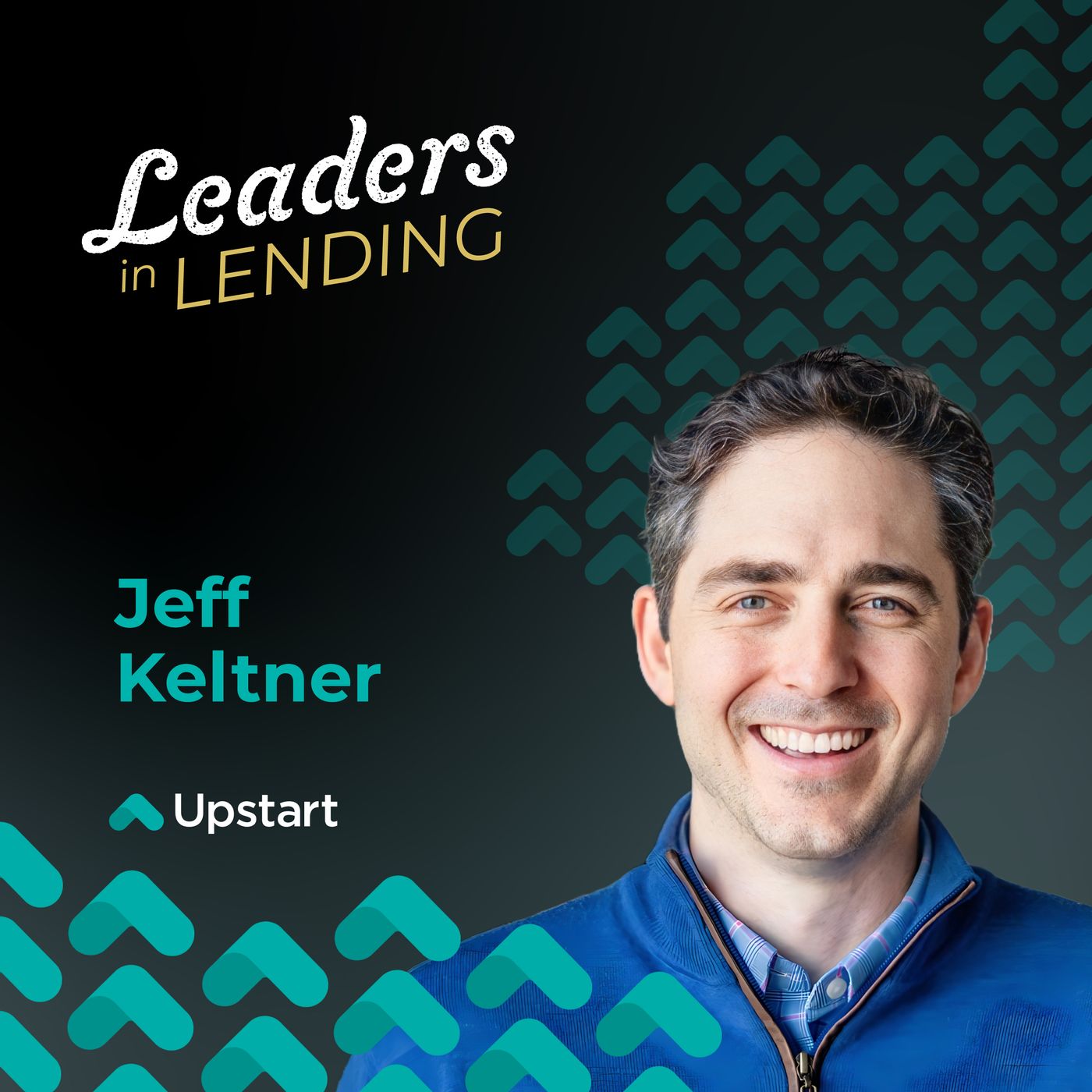


The new year always brings change, and Leaders in Lending is no exception. Our long-time host, Jeff Keltner, is taking on new opportunities, but he is excited to pass the mic to a wonderful group of new co-hosts for this new era of Leaders in Lending!
Moving into the host seat we have 5 co-hosts joining us, all with deep expertise in the current lending climate.
Edward Walters, VP account management at Upstart
Matt Snow, Head of solutions consulting at Upstart
Barry Roach, Senior Account Manager at Upstart
Drew Megrey, Senior Account Manager at Upstart
Lynn Sautter Beal, Vice President of Implementation and Success at Upstart
Please join us to hear from each their perspective on the current economic outlook and what excites them for the year ahead.
0:02 You are listening to leaders in lending from Upstart, a podcast dedicated to helping consumer lenders grow their programs and improve their product offerings. Each week, here decision makers in the finance industry offer insights into the future of the lending industry, best practices around digital transformation, and more. Let's get into the show. The Consumer Bankers Association is pleased to welcome you to today's webinar how WSFS is driving long growth digitally in uncertain times, sponsored by Upstart. My name is Isabella. It is my pleasure to facilitate today's event. As a reminder, the views expressed in this webinar are those of the presenters and do not represent the views of CBA or its numbers. It is now my pleasure to introduce our speakers, Candice Caruso, SVP, Chief Retail Lending Officer at the WSFS bank and Ed Walters, BP, Accounting Management at Upstart. Candis and Ed welcome great. Thank you Asabelle, and to the Consumer Bankers Association for hosting us today. So Candace, are you are you ready? I'm ready great. Let's let's begin. I think what we should do is let's start by giving the attendees a baseline of our organizations to help provide context on how we're working together. In Candice, I'll have you go first to kind of share who is WISFUS and then describe the markets that you serve. Absolutely so, thank you so with this. Bank is a regionally focused institution. Our
1:33 primary regions are Pennsylvania, New Jersey, Delaware, and certainly we do carry into other communities for some of our lending teams, but that's primarily where our branch footprint exists. So we have as of our June earnings, we had ninety four branches scattered throughout that region. WISFUS is also one of the oldest institutions banking institutions under the same name. We are almost two hundred years of experience in serving customers throughout and we've also grown organically as well as through acquisition, so there's been tremendous opportunity, particularly in the last four years for Westus Bank. We are a consumer focused as well as commercial and small business focus bank. Relative to the commercial and small business we have nine billion in commercial loan exposures within our footprint seven hundred million in small business. We also are extending mortgages through our mortgage lending team. In twenty twenty one we had one billion in loans originated without throughout the mid Atlantic footprint. And then also have a private banking team focused within our region. Nationally, we do again have some services there. We have Wealth and Trust with our recent acquisition of brin Mar Trust that also was a tremendous compliment and growth opportunity for our trust businesses
3:07 and has allowed us to certainly be known as a key player in our region but also nationally. UH Cash Connect is a unique business to Wisfis Bank, which is all about safe deployment of you know, in house cash shops for retail based businesses as well as ATM solutions. Additionally, we have new Lane Finance which is a compliment as well to our commercial and small business lending, but is focused in the equipment financing space and we can get a decision within you know hours and a closing within DEDs for equipment financing with that solution. It's vertically focused and is nationwide. And then we do have a complement of strategic partnerships. So certainly a deeply rooted bank within our region, a one that has grown to this side. So we've also gone through different stages of kind of needs and growth, and I'll talk a little bit about that today relative to kind of where we're at and what our focus is. So with that, ed, I'll hand it back to you. Great, thanks, Candace. So let me kind of give you just a quick overview of Upstart.
4:19 So Upstart is a leading artificial intelligence lending marketplace designed to improve access to affordable credit while reducing the risks and cost of lending for our bank partners. So when you think about it, by lending and leveraging AI, upstarts a marketplace, Upstart power banks can offer higher approval rates and experience lower loss rates while simultaneously delivering that exceptional digital first lending experience that customers demand. Just with the Amazon environment, everyone is expecting kind of instant, fully digital experiences these days. And then Upstart's mission is just singlely focused on enabling effortless credit based upon true risk. So let me explain quickly how does that work. So banks can partner with Upstart on two fronts. There's the Upstart referral network, and then they can also partner within a bank's digital infrastructure, sometimes referred to as a white label solution The Upstart referral network allows banks to subscribe to the marketplace with a desired monthly volume that is matched to core underwriting criteria that the bank defines. So when a borrower comes to upstart, they're matched to a single lender that is providing them the best rate possible where they meet that lender's underwriting criteria. The borrower then is originated on that lender's paper and then becomes a customer of the bank or credit union. So that's really important. It's not a loan purchase, it's actually a loan origination, and so the relationship
5:50 is you're getting a customer. So it's a very effective tool to drive customer acquisition within a bank's economic and risk tolerances. The white label solution is integrating upstarts technology in a fully bank branded experience to serve the lending needs generally focused on your existing customers or any prospects that may come to your website or walk into your branches. Banks have the flexibility to leverage one or both of these solutions to meet their business needs. And with this, what we'll talk a little bit more later today is is using both so they'll give you kind of perspective on both, so we can take kind of the slides down now, that was the slide content for today. So moving into today's discussion, we all acknowledge that the lending environment in twenty twenty two is much different than it was in twenty nineteen pre pandemic. What hasn't changed. Our consumers still have expectations for improved digital experiences and lending needs still exist, and quite frankly, the banks want to continue to serve the financial needs of these consumers, all while staying within a bank's economic and risk tolerances. But what has changed is we're in a rising rate environment, so it's making lending more expensive to the consumer. And then along with higher inflation recession concerns, these have all added to and created additional barriers or challenges in consumer lending, which we'll talk a little bit about more today. So what we like is before we actually get
7:20 into some of the discussion questions, we've got two polling questions that we'd like to ask the attendees here today to fill out to give us some content. So can we jump to the first poll question Isabelle, So the first question here and I'll give everyone a chance and I won't read all the responses, but it's really we want to get a chance to hear from you on what is your organization's current sentiment on consumer learning, particularly on personal learning. Okay, it looks like majority of the group lending but with higher rates. And then the second is really hasn't hasn't changed much in the past six months, can as any any reaction? Is anything surprising here on this first question, I would say not surprising. So community banks lake WISTFISS tend to be a bit more customer focus and centric and having more connectivity to the community. So we recognize that we're in a rising rate environment, so lending with higher rates is natural. I think that's just the environment we're in today, and customers need to adjust to that higher rate relative to all the different lending solutions that we provide. But we need to continue to lend. And then also, whether it be to our board, our shareholders, our stockholders and stakeholders, we have an obligation to also have loan growth. So none of this is really surprising for me, but is a good confirmation relative to some of the
8:56 conversation we're going to share today. All right, let's show the second pulling question. These are the only two audience participation besides Q and A that we'll ask you to participate in it. So this next question is, I want to get a sense of what is everyone's digital approach right now in consumer lending? You trying to trying to get a sense of who's still working through it, who is being able to solve it self developed, or who has partnered, say for example, with the fintech to deliver a solution to the consumers. All right, so almost half the group still requiring a branch visit to too close. What's your reaction to that, Candice, Well, I would share that certainly that is where customers have been served to historically. However, we're very much about channel choice for our customers because I think we're any kind of the that transitional state of moving from kind of the branch experience, which historically was the only option, and now especially with the acceleration of you know, PPP and other things that have gone on in the marketplace that have created an expectation by customers that they want to be served through other channels in certain instances, particularly through consumer products. That probably is why you're sitting in on today's presentation, so all makes sense and affirms that you know, partnership is
10:28 one way to provide that delivery channel back to your customer. Well, and I almost think that that kind of leads us right into the first question you had mentioned a little bit about, you know, looking at what's the right channel, what are the what are the consumer's preferences? So can we start the conversation today really talking about what are some of your goals in regards to you being the chief lending officer in consumer lending and what you're trying to do for your business to serve the consumer. So one of the things that is key is we we always are looking for relationships and so they could be their new relationships or existing relationships. So certainly that is a strategic focus for us is you know, understanding who our existing customers are, how we can deepen those relationships, and how we can acquire new customers or new households. With that being said, we are also sensitive to the environment and the digital age that we now operate in and the highly competitive landscape that we're we have in the broader financial service, not just the banking space. So with that, we have a multi year delivery transformation that we've been working on and continue to work on. Part of that is meeting our customers, as I alluded to earlier, where they want to be met, So that could still be in a branch, but it could also be by phone. It could also be through some of the digital delivery channels, whether that be through partnership or in
11:58 house solutions that we provide back to our customers. Second on the delivery transformation front is really looking for those opportunities to create efficiency for our customer and also to create better insight relative to our customers needs and also performance of loans. Particularly with the economics cycle anticipated for next year, we need to be sensitive to that and really to have that insight in those predictors is going to be helpful. But we're expected to modernize as institutions, so that's really a core focus of ours. And the acceleration that happened because of the necessity for adoption for digital tools while we were all at home working and kind of pivoting during COVID times are not going away. If anything, now they've become more table stakes of what's expected of us in the industry. And then also with consumer lending, we strategically have decided that a partnership model for specific solutions was a way that we could have agility, scaleability and really kind of have the uh, the insight their relative to the performance and the focus from the partnership as well as a team within the bank to help us get there. From a growth perspective, No, it's good and totally aligned with you. On the the the expectations have to have evolved and they're they're they're not regressing right because
13:28 the folks have have gotten used to operating in a certain way and it just keeps evolving of how they're expecting to be able to do business when and where they want to do do the business right. It's not just you have to go to one spot. It can be I'm at a I'm at a child's sporting event and I want to be able to transact or do do some type of business and do I do I have the capabilities to achieve that? Absolutely. So then as you as you think about the consumer and I'll and i'll actually to kind of so this maybe from two perspectives, One from from your your industry view as you as you talk to your peers as well as kind of what you're seeing within your own business. How have spending habits of consumers changed or any other I'll say their needs changed over the over the past couple of years. Like, how have you seen any shifts either from what you've learned from your peers or what you're seeing at your own own organization. Sure, so from a peer standpoint, if you look across like credit card utilization, it's been increasing. There's there's demand there. It's also an indicator that some of that liquidity that was you know, out there from different stimulus programs or different recovery programs may have already been leveraged or utilized. So with that being said, within WISFUS Bank, we've seen credit card applications increase. Certainly our upstart demand increase, and we anticipate that that will continue. Also,
15:03 the desire to consolidate, you know, credit card debt is something that also we recognize is a key opportunity and we provide some cost savings back to our customers. So all of those calls to actions are out there, and if you don't provide the solution to your customer, they're going to look for another way to meet that need. And you know that's one of the reasons that you know, we found it to be a great compliment to leverage up start in offers or existing customers as well as for new new customer opportunities. So as you as you talk a little bit about you know, understanding the the consumer and and and wanting to serve them, let's talk a little bit about data and automomation. So can you talk about, you know, how how does the need for for using better data about the consumer as well as increased automation, How does that like impact your approach? Is is your thinking about consumer lending? So I would share that data, clean data is critically important in getting insight and intelligence around customers behaviors, needs and also as indicators of kind of you know, the next product that may best serve them. So there's there are certainly a lot of necessity as a bank today and a lot of connectors where we can gather data about our customers to better serve those needs.
16:37 The challenges, especially in the banking community where there's consolidation and things like that, is how do we bring those data sources together and then how do we create efficiency. So with that, we also have a focus on automation and then also, you know, consumer lending specifically is really ripe for the opportunity, you know, for partnership models and things like that to help us get additional insight on customers that we haven't yet had the opportunity to serve, or for underserved communities in our geography. So that has been something we look to continue to learn about and you know, find out where there, you know, maybe other services that we can even cross sell into our consumer lending portfolios. And then also with the CRA modernization and other things like that, we as banking organizations are going to have to report on the data. So cleanliness and the ability to provide that transparency back to our regular leaders as equally as important important as that business intelligence that we're gaining to come up with new solutions or better offerings to meet our customers in the way that they want to be met and with the services that they are looking to benefit from. Well, that's great, thank you for for that that insight. And let's let's double click a little bit on partnerships as you've kind of mentioned it, and then as you went over your over slide, it shows that the whistis has
18:11 a number of fintech partnerships already, so fintech partnerships is not something new to the organization. Can you can you share with the group kind of your approach to partnerships, How are you how are you identifying the need we need determining it is where we want to partner versus this is where we're trying to develop something on our own. Absolutely. I think one is you have to look at the resources within your organization and the product suite that you'd like to offer there. There are fintech partners out there, such as upstart that can deliver and show up in a way that will allow you to serve those needs, but you need to have very specific requirements around engaging those partnership opportunities. One being is it's a reflection on your brand, So you want to make sure that the that there's a mission, a community focus, that all the things that are true to your brand as a banking organization align with the partner that you're deciding to be out there in the community. Whether it be a weight labeled solution, a co branded solution, or whatever the case may be, it's a representation of your brand back to that customer. They're also as far as product offering. You know you you have to look at you on the consumer side your strategy, like what services do you offer efficiently today? Where is their ability to optimize and what technology is available that otherwise you wouldn't be
19:44 able to provide to your customer. So does the partnership provide that focus and acceleration that you're looking for as well as that agility would be something that you know would be key with any partnership opportunity. We have a group of individuals within the bank that all they do is manage our partnership relationships. They are focused on onboarding, on making sure that there is that ongoing communication of expectations, if there's tweaks to the program, if there's feedback from auditor compliance, all that is part of the process. I would also share that know what you do well and know where a partnership is going to allow you to serve your customer best. Again, there's alternatives out there in the first financial service space where they can get their needs met elsewhere. If it's going to be an impediment for you to try to build something, or if it you know, really is a distraction to your core strategic model for you to try to do it yourself. A partnership might be a more sensible option, but it doesn't come without responsibility, that's for sure. Well, and that's that's where I was going to kind of kind of slide into the next question, right is particularly lending. Lending is not a set it and forget a business, and you can't you can't do that with with partnership. So can you can you talk a little more about how And there's I've got a couple of questions on oversight and stuff, because I think that's important for folks to understand.
21:11 But can you talk on how you're managing these these partnerships today to ensure that they're constantly meeting your business objectives? Because you described there's there was an original need that that started that of why you may engage in a partnership, But then you're you're having to continue to validate that are you still achieving those business objectives? And at times the business objectives are going to continue to evolve, So can you can you talk about like what are the what are the mechanisms that you have in place to to ensure that the relationship and the partnership is hitting the objectives. So one place to start is of course you should have that business case so you go through the discovery. You need to have that business case to understand the opportunity, the return on investment. Also to have clearly defined expectationsations for the partner, not just around originations, but also around serving that customer and you know, ensuring that for the length of that lending relationship to whatever the tentacles are, the back and forth relative to the service piece, they're being met because you as the banking institution still have all the same obligations back to your you know, regulating bodies, so that doesn't go away. You also still have the internal audit and compliance requirements as well that you need to meet. I would also mention that it's really important to kind of share that business case across the executive level of your organization. We can
22:45 talk more about the stakeholders that you know should be have seats at the table, but that executive sponsorship is really key with partnership model and really understanding the appetite of bringing partners into your org and also whether it be a dedicated team or your vendor management group, how what what is the process to bring that partner into the org. Make sure that they meet all your requirements, make sure that the expectations, and then really have a launch strategy to bring it out there. And for us, we had been providing on secure loans prior to Upstart. We found that for for our selection of Upstart, we found that the technology efficiency and the the mechanism of kind of expanding that credit box was something that Upstart frankly just offered, you know us a better solution, a more proven solution with a you know, a track record that we felt confident in. So definitely, do your due diligence on your partner relationship to really understand how they're going to show up for you, how they're going to you know, really support you throughout that relation and ship. It's like you know, any other partnership, marriage, whatever you're going to call it.
24:03 Team, It's definitely about collaboration. No, I'll and I'll add obviously you're familiar with this, but I'll kind of give the audience kind of a perspective from from from where I sit is when we when we work with our lending partners, it is about establishing the main KPIs of the of the program. And so we look at it as what are the economicals, what's the risk tolerance that that they want the program to be built under, Like what's the annualized loss rate target? And then what's the volume that they want to achieve both monthly and from a portfolio and all of those metrics. You should be monitoring them at the minimum monthly. But then those targets can evolve, and so where you may start, particularly as we've seen the macro environment change, the economics target of say a program that started two years ago could look quite different today because of a rising rate environment. For the lost time tolerance may adjust because of the environment we're in, you may not want to take on as much as much risk, and so so where we look at it is having those define KPIs and then reviewing them on a regular basis so you can make adjustments of what does success look like because it's in this environment, particularly in the past six months. I think you'd agree the KPIs continuously be reviewed and adjusted as the as the market kind of drives those changes. Yeah, and I think loan volume, you're acceptable, loss ratio, your yield,
25:34 all of that are factors and the best part of the partnership model is that you have levers that you can adjust along the way if appropriate, but you also don't want to keep changing things too often where you can't get enough data, so you know there is a science to it as well. Yeah, that's a great point. So you mentioned a little bit about the stakeholders, because I think that's also for anybody that's that's that's getting into a partnership, particularly in consumer lending, it's for the for the CLO to be successful. You know, obviously you're you're owning the business, You're you're accountable for the results, but it does take the support of stakeholders across the bank in order to make a program like this successful. And so can you share a little bit about those critical stakeholders and and what are you doing to keep them engaged in supportive of the program. Absolutely, so, one I would share is that the stakeholder management is a key priority and making any partnership of success, it's these decisions should not be a decision of one it's it's something that we need to have the right seats at the table, especially in the early stages of a new partnership, to really again pull the right leavers, determine really what our goals and objectives are you do define a model to start with, but you know the there's different perspectives relative to those those executive sponsorship opportunities.
27:04 So we I would suggest, of course your chief credit officer, your risk officer, your financial your chief financial officer, chief retail banking officer, of applicable fair lending officer, all really important people to have in that room and get support around and get comfortable around supporting any partnership, but particularly uh, you know, in the consumer lending space. Those individuals will have valuable feedback, they may have good questions, you can work them through the model. It's all about kind of building out a model that makes sense for your organization and what your goals are and also what you know a successful loan growth looks like for you. And then part of that is balanced with you know, engaging committees, providing quarterly business reviews, monthly KPIs providing out monthly report.
28:00 So it's not just the initial executive sponsorship, it's also that continued engagement so that they feel connected with this, just like as if you were originating these loans within your own organization. Yeah, and I think the business reviews where we find those valuable and to kind of give everybody context. With each of our lenders, we let them determine do they want business reviews to be quarterly semi annually, And really that's an opportunity to bring the extended stakeholders together and everyone from both sides for the partnership can kind of come together and assess, hey, where is the program and then where are the business is going and to make sure your partnerships are aligned. So that is something that I have found both from my seat when I was in on your side of the table and then now on this side of the table of when you can have those periodic checkpoints of bring it up a level and just just look at kind of the macro relationship. It's also it's helpful to keep everybody uh all pointing to the to the true north right. Absolutely, So let's talk specifically about the Upstart partnership. And then you know I mentioned earlier that you're you're kind of using uh, you're using both products. You're both using the Upstart referral network for for for the client acquisition as well as the white label to serve your your existing client base. Can you can you talk a little bit about the the reasoning behind the two. How how you've used the two to complement your
29:30 consumer lending program. Absolutely, so it goes back to kind of our strategical So one is we want to grow households, we want to grow new customer relationships. So part of that is done, you know, uh, through the upstart channel of originating new business for us, bringing those to Whistles Bank, having them get an introduction potentially to wists Bank through their upstart loan, and with that then we can we have marketing campaigns that then offer other solutions to the customer, whether it be depository relationships because they are regionally aligned with primarily where the branches are located within our network, so that we can have that customer grow with us and mature with us. So certainly that has been a great tool in reaching customers that in many cases have did not have an existing relationship with with with this bank historically or WSFS Bank, depending on where you're regionally located. And with that, we also are have just begun doing a lot of earn or cross sell campaigns to our existing customers as well, which allows us to pre qualify the customer based on different data points that we have with the partnership with Upstart, do direct mail, digital campaigns as well, whatever works best within your organization, and then you know digitally, given this is digitally offered digital campaign I would suggest as most efficient to reach those
31:03 but you know that is all something that is we can then benefit from that relationship with Upstart in really kind of not only engaging you households, but deepening those customer relationship. And we're also really excited about our pilot which we're working for offering this more strategically through the branches. So the branches were so excited about the Upstart program they already began referring it. So we have seen some organic activity that we've we recognize as with existing customers, and that's just through word of mouth advertising. But we do have a salesforce strategic initiative that will be layered into our delivery where it will be branded wisk fist go out to our customers through and Upstart app, and that will enable our branches to then offer a unique application link back to the customer to app by real time.
32:00 So there there's a lot of opportunity and connectivity to these customers. Although you're doing it through a partner it doesn't disconnect you from building a rapport and a relationship and really also of course presenting other solutions back to that customer, whether it be depository or other lending tools or even wealth if appropriate, that you know may be a great compliment. No, that's great. And and you're is, you're is, you're looking at the both both aspects, right you You have you have both levers available to you to to drive growth, whether it's with your existing client base, so you're deepening relationships as well as bringing in then new new customers to the bank, which then starts a new relationship.
32:51 And the exciting thing is from being this digital first, right, So these are these are individuals that are going through a fully digital experience and so now they're more apt to continue engaging with you as you make investments across other digital capabilities just can continue to add on to that experience, which is which is exciting. Absolutely. So, So let's talk about the controls you have in the program, because I think that's we've talked about kind of lending in difficult times, and we've talked about rising rates and and and we've talked about the reviews that that that we're doing. You know periodically and the KPIs so so specifically the when you're working with a partner, and particularly in consumer lending.
33:42 And I always use this phrase, it's not a set it and forget it. You just don't say, Okay, Upstart or whoever you're working with, just go originate loans. There's there's there's oversight, there's controls, there's adjustments that you can make. So can you talk a little bit about of the parameters you can control and how you give the guide rail to UH to originate. Sure. So one of the best parts about working with upstart is it's highly configurable. So we have leveraged that and have gleaned in sight, particularly as you know, we have different levels of production that we're looking for on a monthly basis, things like that. It gives us the ability to really take that marketplace approach and look across not just within our organization how our portfolio is doing, but learn from kind of you know, the behaviors of the customers, what they're looking for, figuring out like how we should be priced within the market to get the types of responses that we need. Also an important leaver, at least from our chief credit officer's point of view and chief risk officer is really what is that acceptable loss ratio? And like kind of as our as our portfolio matures, how does that all layer in?
34:59 So you know, certainly the configurability gives you real time to say, you know, within a week's time that I want to make some changes and then you know in a short period of time you'll see that impact. It also goes back to kind of the connectivity, so you really need somebody that's going to own the partnership programs and as someone that is whether it be yourself, whether it be you know, someone that is a director or fintech partner, whatever that you know, right position is within your organization. But it really is important to leverage the fact that you're getting kind of that that real time feedback on what the customers want, what your team wants internally, get that out there and then also from a risk talent perspective, you define that yeah, and I think that's that's great to highlight, right, is you have individuals on your team of individuals and our team that are working hand at hand on really a daily basis of looking at the program, looking at the results, understanding what the different lovers do and then can make assessments together all based upon data and then make recommendations to to you and and the rest of your uh your support committee on what what adjustments need to be made so you stay within the that i'll say, the foundation of the of your your business goals.
36:28 So especially thank you for sharing. So a couple more questions, then we'll open up to see if the if the audience has UH, the attendees have anything is so, if if a bank's considering a fintech partnership today, why is now a good time to move forward? So I would one on the fintech partnership side, these customers have a need, they're out there in the community. Likely are your existing customers, So one to make sure that you are continuing to show up for that existing customer base is equally as important.
37:09 Is important as those new acquisition opportunities. But if you you know, you want to kind of know that if you're going to go into the space that you're working with a team that experience is knowledgeable, has the the the bench to kind of deliver on the originations, but also has a credible risk profile. And what we were really impressed with was the the the ability to kind of measure risk in it a more unique way, a more inclusive way, and then also just the the the intelligence of kind of knowing you know what what that would produce from a yield perspective. All of that, but even with the economic cycle that is out there, as community banks, we need to show up for our communities. So we need to continue to lend, and we have to find ways even though it might be at a higher cost given the rising rate environment. We have to find ways to show up for our customers, provide solutions, and do them in a way that allows us to continue to learn and continue to monitor that risk because we won't stay in that cycle forever. And to get ahead of that curve relative to the adoption of this technology is key and it will take your time to get it through your vendor management team or whatever the appropriate level of due diligence. You also set to complement that in onboarding a partnership relationship now, thank you,
38:45 And where we would to add is going back to the theme of hey, we're in kind of choppy waters, unknown unknown waters for a period of time, and I will by no means try to be an economy or predict the future. There's there's smarter people that are trying to do that every day. But when you look at of when is the when is the right time to maybe start looking at at partnerships is where where I think sometimes when these environments are good, is I kind of equated to you're you're not looking If you have a boat, you don't want to try to fix the boat in the summertime. In the summertime, you want to be out on the lake.
39:28 You want to be on the boat enjoying it. And then the winter is when you want to be cleaning it up, fixing it up, getting it ready for summer. And so the environment we're on now, although folks are are much more cautious, as you said, there's there's still there's still a need for consumer lending. And so to me is this is where it's advantageous for a bank to be exploring these relationships, starting the groundwork, getting the stakeholder engagement, doing the due diligence, and then potentially even getting some type of a program installed in ramping up kind of a controlled ramp up so that when when it's sunny skies again and it's the lake is calm, Uh, you're out there enjoying the boat versus then you're deciding, oh, wait, I want to catch up. Because I think what we saw during during COVID is our partners that were already on the program once things you understood a little bit about what was happening after that initial shock, those were the lenders that were able to take advantage and really serve the needs of the consumers while the rest of i'll say partners were evaluating what they should do, right, should they should they establish a relationship with us or another lender or partner or somebody else. And so that's where that's where I kind of see a time like this is always good because you can take it slow, you can monitor, and as you talked about, getting the clean data so that you can learn.
40:53 So definitely there's there's never there's never a bad time, I think, to be to be exploring partnerships. And so before we've got some we've got some good questions which we'll come back to. And I think one of the questions kind of leads to my last one, which is just what's what's next for the organization. As you're as you're looking at other things you want to do and and I'll kind of kind of tied into one of the questions from an attendee was was kind of asking a little bit about goals for the rest of twenty two and and as you're heading into twenty three, what's uh, what's what's on your radar? Well, So I did touch on this earlier. So we definitely are continuing to focus on delivery transformation digital transformation client experience.
41:39 So we recognize that our customers want the optionality of, you know, getting their transaction need transaction needs as well as their lending needs met through digital channels as well as through branch or other needs. So certainly we're investing in that, whether it be through partnership or whether it be through internal delivery of those solutions. So you just have to decide where what the right place for you to focus relative to your own version of that might be. But I think the expectation is that we as financial institutions need to show up for our customers in that way. So certainly our foot's not off the guests relative to that in partnering, but we are being selective. So we decided Upstart solution for unsecured lending was the right delivery mechanism for us and the right tool for us to engage those new customer relationships as well as deep in those existing that we've been speaking about. I would also share that you need to be continuing to look for opportunities, whether that be for other compliments and deepening partnership relationships or also finding new partners that maybe maybe enable you to reach those delivery channels more efficiently. So that's always something we're looking at. And then we also, you know, want to make sure that we're learning more about our customer
43:14 and leveraging those business intelligence. We are salesforce organization. We use a lot of the tools that many of you may be familiar with, and so we're really trying to be thoughtful around centralizing customer data, reaching our customers in the way that they want to be met. And although that big picture may seem flashy, there's a lot of hard work that goes into achieving all of those goals. Yeah, now it's it's uh. We unfortunately don't have unlimited time or unlimited resource, right, So a lot of it is is is prioritization and and and really assessing the impacts. So as we jump to some of the Q and A. One of the questions here was just around staffing to support a program like this, Are you open to sharing at least you don't have to go into specifics, but kind of a ballpark of the type of FT structure that one would need to support a program, Yeah, if you have a So for we do have multiple partnerships, We do have some individuals that are kind of shared roles as well. Related to kind of the accountability to partnership, we had decided that it made sense to have a director level position to kind of lead the strategy and lead the charge relative to kind of keeping those stakeholders at the table informed. So we did make the investment in
44:49 a director of Fintech partnership and digital delivery. And so that is something that may or may not make sense for your organization. You have to go through your own discovery based on your size. We also do have other data analysts that support that role as well, and that also includes collaboration with some of the business lines depending on the partnership model. So for Upstart, you know we have retail loan servicing. There's other pieces of our bank that do touch this relationship and there's connectivity there too. So I would anticipate at least to start one dedicated FT is necessary, and then it depends on the size, scale and scope of how many partners you're looking to manage and how you kind of grow that within your organization. But you know it is something you want to stay connected with. It also maybe something you need to think about the level of loan volume and growth you look to have from the portfolio before you make that investment as well. Starting with the business case would probably be a great place to start, so then you can really figure out what the right structure might be for your organization. Oh good, that's very helpful. There was a question about the referral network and really what differentiates this from marketing with
46:21 say financial hubs, and so I kind of explained just just a high level is the advantage of the Upstart referral network is it allows Upstart to utilize nationwide multiple marketing channels. So that is we're doing direct mail, digital mail, social media, we're doing our own kind of pre screening campaigns. We'll also have partnerships with aggregators and so we're able to cast this wide net that really allows us to i'll say, manage a cost to acquire that, then we're able to then bring all our partners together and just amass the share amount of volume and it bats for for our partners. And the advantage is is if you're an individual lender that's trying to go out and do all of this type of marketing A it's it's it's very expensive and just the conversion rates aren't is high. And part of it is because what we're doing is we're bringing just a number of lenders and a number of scale. It's it's allowing us to actually aggregate all of this and then align it up to our lending partners.
47:30 So that's it's we're we don't just use a single source. We use multiple channels in order in order to drive the volume based upon the capital that we have available. So hopefully that I answered your question. And then the last question we have here is just observations on customer satisfaction between the digital deliveries and compared to the branch Do you want to share a little bit on you know, I know you and I talk MPs scores, but if you talk kind of just sad like, how do you guys look at it and how do you guys compare it? So customer satisfaction is key. So the way we represent our brand in our communities is that w s f S stands for we stand for Service. So that's really important to our brand and that was something that we spend a lot of effort and time on in vetting partnerships and making sure that they are going to represent us in the same way that we would present to our customer or better, you know, whether that be on the digital delivery channel. So with that being said, we did a lot of due diligence and research relative to upstarts reputation and selecting them and kind of identifying that that you know, they would show up in a way that you know, really aligned with our desire to you know, have that service, truth and community first. And what I would also share related to that is that
49:04 we've had tremendous feedback through trust Pilot and other means that it has really shown up in that way that that individuals that have used and been exposed to the wisfis brand through you know, the entry point of upstart, that it has reflected in a way that it was really positive. We got tremendous feedback. So certainly one that we've been satisfied and we've gotten good information that it does aligned with kind of how we're positioned within the community and provides that continuity around service and experience that we were looking for. And I think that's really critical with determining, you know, any partner relationship that they're going to show up for your customer and the way that you would no. Thank you, and I think we I mean, we've seen from our end is from a net promoter score as we look at, I mean, on average on the upstart platform, it's it's generally in the high seventies, low eighties. Our lending partners tend to be tend to be higher, and it's just they because of some of the competitive rates that they're able to offer and just experience. If we didn't get a chance to answer your question, we'll we'll at least try to either follow up with you or you can reach out to lenders at upstart dot com and we'd be happy to do a follow up outside of the session.
50:27 First off, Candice, thank you the session. I always I always enjoy talking to you because you and I get to get to talk a lot. But it was just great kind of riffing with you for this hour talking a little bit about the business, and I'm sure our attendees really got a lot of value out of hearing your thoughts and insights today. So thank you. Thank you for the opportunity, and you know, happy to support other community banks as well. That's one of the great things is because we are regionally focused, we have the ability to help and kind of share and collaborate. So appreciate the chance to share. Thank you. Upstart partners with banks and credit unions to help grow their consumer loan portfolios and deliver a modern, all digital lending experience. As the average consumer becomes more digitally savvy, it only makes sense that their bank does too. Upstart's AI lending platform uses sophisticated machine learning models to more accurately identify risk and approve more applicants than traditional credit models. With fraud rates near zero, upstarts all digital experience reduces manual processing for banks and offers a simple and convenient experience for consumers. Whether you're looking to grow and enhance your existing personal and auto lending programs or you're just getting started, Upstart can help. Upstart offers an end to end solution that can help you find more credit worthy borrowers within your risk profile. With all digital underwriting, onboarding, loan closing, and servicing, it's all possible. Upstart in your quarter. Learn more about finding new borrowers, enhancing your credit decisioning
52:00 process, and growing your business by visiting upstart dot com Slash four dash banks. That's upstart dot com slash four dash banks. You've been listening to Leaders in Lending from Upstart, make sure you never miss an episode. Subscribe to Leaders in Lending in your favorite podcast player using Apple Podcasts. Leave us a quick rating by tapping the number of stars you think the show deserves. Thanks for listening, until next time.

