The Credit Builder Strategy That’s Actually Working

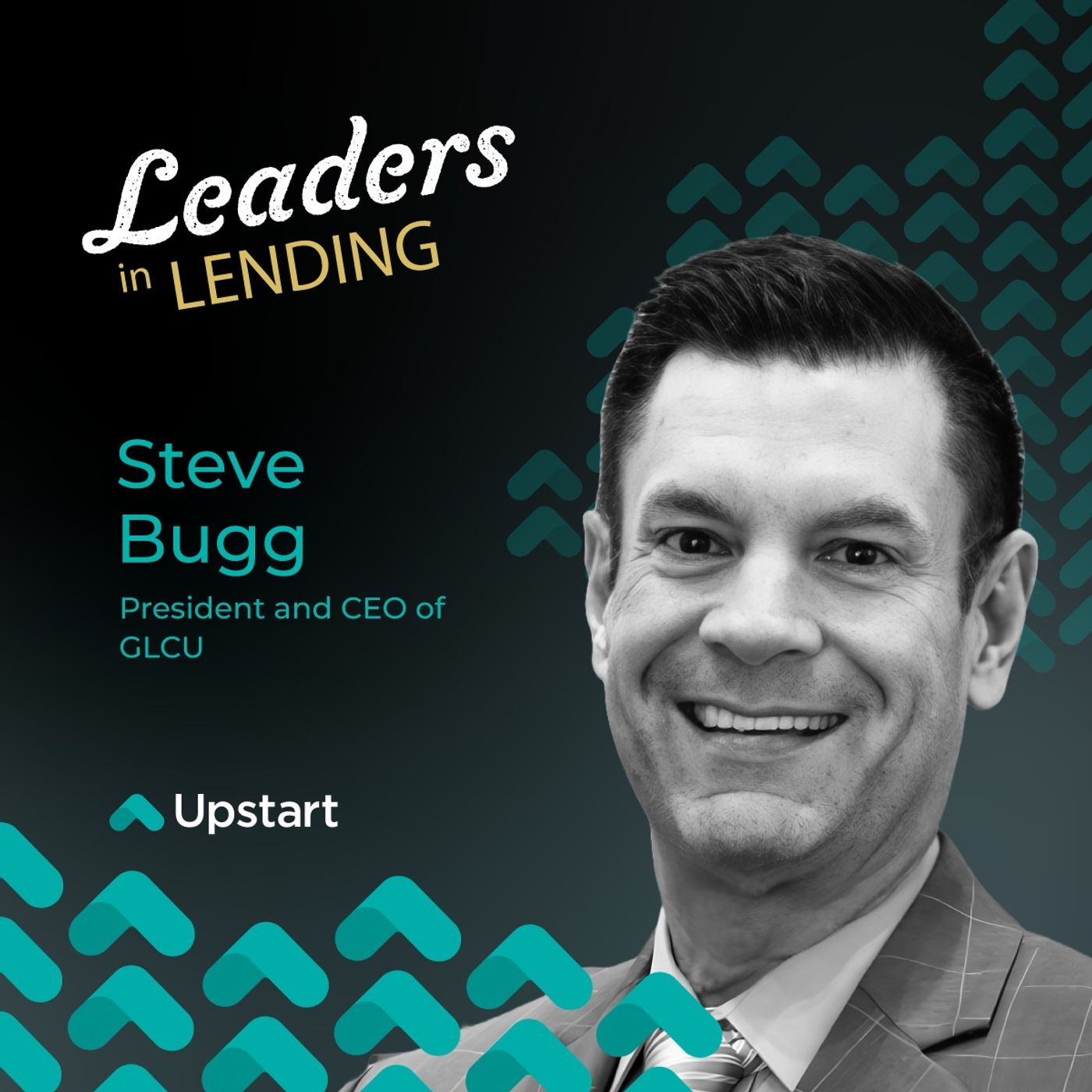


Access to credit can be life-changing, but for many members, the process still feels out of reach. Great Lakes Credit Union is working to change that with practical solutions that meet people where they are.In this episode, host Drew Megrey sits down with Steve Bugg, President and CEO of GLCU, to talk about how his team is rethinking lending through small-dollar loans, credit builder programs, and face-to-face financial coaching. Steve shares how they’re making a difference for underserved members while keeping risk low and impact high.
Join us as we discuss:
- How GLCU uses $300 loans to create long-term financial confidence
- Why second-chance lending isn’t as risky as most think
- Where mobile tools and in-branch service come together
- How community partnerships and DEI efforts support sustainable lending
- What it means to put trust at the center of the loan process
0:04 Hey everyone, and welcome back to another episode of Leaders in Lending. I'm your host Drew Beggery, joined today by Steve Bug, the CEO at Great Lakes Credit Union, a one and a half billion dollar asset size credit union based just north of Chicago. Steve, welcome to the podcast and thank you for joining me today. Hey Drew, thanks for having me on. Really appreciate it. Glad to join you. Awesome. So let's just dive right in, Steve, As you may already know, I always love to give the listeners a bit of context on the how did you get here type of stories? So can you tell us one what first drew you to financial services and to know what did that journey look like as you progressed into your role today at Great Lakes. Sure? So, financial services for me started many years ago in college where I worked for a regional bank, worked for a finance company for a while as well, left the industry for several years, got into tell communications, and then was fortunate about eighteen years ago to be drawn into a union. And at the time they were looking for somebody with some distribution experience, some sales and marketing that would compliment the executive team I'm like, this sounds pretty cool, right, I'll do it for a couple of years.
1:12 Eighteen years later, I'm here, And what really drew me to the credit union movement drew was the passion for the interaction with the community, the people helping people, spirit, and just really the capacity to give back and really serve your members and the community in a different way perhaps than a bank. And so that really drew me in. I've always loved to be involved in the community and volunteer, and then really once I got ingrained in the industry, had a great CEO that gave me that ability to learn the industry from an expert inside the industry. We complimented each other's skills really well, and she gave me that opportunity over time to learn the credit union movement, the different functions of the credit union, to lead those areas.
2:01 And when I left that credit union was their EVP. And it really pitched me really well at Great Lakes, especially from the community involvement, which is what our board was looking for at the time. So I joined Great Lakes Credit Unions seven years ago president and CEO. Much different institution now than we were. Of course, a lot in the world has changed in those short seven years, as we know. But I would say, Drew, one thing that I have always really appreciated. I've had great leaders that have given me that opportunity to excel, learn and develop. But equally important to me was being able to utilize coaches and mentors in my career, which I've really and I still use today to bounce ideas off of. And it just give me a different view through a different lens than perhaps what I'm looking through and that has served me well, not only here at Great Lakes, but really throughout my entire career.
2:57 Now, that's awesome, and that sounds like a very non linear path to your to your current current role, but I can echo that I that I have the same settiment on the Credit Union mission of people helping people. So that is a that's great. So the main theme of our discussion I would define, as you know, like building credit, building confidence. In some of our prior conversations Steve, leading up to this, you shared how Great Lakes has you know, helped members with thinner credit files start building credit and rebuilding their you know, their financial confidence. I'd love to hear about how you went about doing that and how has it served as a real alternative to to pay day lending.
3:38 Yes, great question, Drew. Thanks. So if we look back at GLCU, we're a low income designated credit union, a community development credit union, so we really serve those of modest means. Uh So, over fifty one percent of our membership is low income. We serve a very diverse population just because of where we sit in the Chicago suburbs, branches in the city and in suburbia. So when we look at serving those members, especially those that are more challenged from a credit perspective, we need to make sure that we have products and services that are going to benefit them and add that value. And one thing that we realized is we just can't have a standard suite of lending products that we say really fit all demographics because as you and I know, they don't. So we've been very diligent in our efforts to have products and services that are going to help our members improve their lifestyle. Right.
4:38 Some of it is changing their behavior, some is just giving them an opportunity to get back into what we would consider more traditional banking. So a couple examples that we've utilized at Great Links Credit Union. One is our credit builder loan. We're very proud of this loan. It's simply one thousand dollars. We don't charge an applic pation fee, there's zero percent, and it's set up on a repayment plan and the idea is that we're reporting that back to the credit bureau because they are making payments on it, we hold that thousand dollars, so in essence, there's never any delinquency right or a charge off, and it rebuilds their file and it gives them that ability then to use that in their credit file to look at other opportunities for lending in the future. And so I would say it's been somewhat popular. We have about forty loans on file right now, and those that have utilized it have graduated then into other lending products such as getting a credit card or getting a small personal loan. And so when we look at the members that utilize that, they've understood that they either have no credit file or they need that second chance opportunity. Right. We try to tie in to the best of our ability financial literacy and education as well, because we do need to change that behavior or that pattern that they've fallen into. So
6:09 those that do take that seriously, will work with our consulors on developing kind of what that needs to look like, how important it is to make those payments timely, and then to utilize that right as that next stepping stone, and that has worked well for those members. We've had that product for a couple of years now and so slowly over time. Right, we want to make sure that we're offering it to the right member that's going to use it in the right way. I think for us, something that we've offered for several years at Great Lakes Credit Union. Another example is our payday lending alternative. We call that fast Cash, and that is a loan that is a twenty nine point nine nine percent with auto pay thirty three point nine nine percent without auto pay.
7:00 There is a twenty dollars application fee and it's based on that member's behavior with the credit union. So they do have to be an existing member, but it gives them that opportunity to prove to us over a period of three months that they're a member in good standing, and then they do have to be eighteen years or older. They access that through our mobile app, so it becomes available when they hit that criteria. So any member that is eligible can go on the app, they'll see it appear, they can basically apply, and so it's self service, right, they go in, it's offered to them, it's underwritten, it's funded without Credit Union employee interaction or intervention. And so we have a little over one thousand loans on our books for about seven hundred and three thousand. We only have thirty eight loans that are past due, so that delinquency is about three point eight percent, and we've only charged off forty four of those loans for about forty seven thousand. So in the big scheme of things, that's not that large, right because they are smaller loans. But again, a lot of our members will utilize that as a way to bridge paychecks or gaps in income coming in, and so they find that they need to utilize that for emergency spending or in the current economic times that
8:32 we're dealing with, to put food on the table, help pay rent, and so they look forward to paying that down where they can apply again and use that in those emergency situations. And we've also seen that members then will utilize that right as part of their tool and resource to really kind of manage their day to day budget. Again, we want to provide financial liver see an education a little bit harder on that because it is more of an automated tool. But I will tell you the feedback we get through from members is that they appreciate that they can do it on their own and they don't have to bring forward why it is that they need to use that right. So some members are embarrassed because they do need to bridge that gap. So through self service, it's a great, great opportunity for those members to take advantage of that. One. One new loan that we've just started in a financial desert on the southwest side in Austin through our Leader's Network branch is a member assistance loan and it could be used for an existing member or a new loan. We've just started it a couple weeks ago and it's simply a loan for three hundred dollars.
9:51 It's at twenty nine point nine nine percent, so monthly payments approximately sixty five dollars a month set up on a five year term. After a couple of weeks we have six loans eighteen hundred dollars. It is underwritten, but it is really underwritten to give them an opportunity to prove themselves before we would look at offering another type of product or service. This came up due to our relationship with the Leader's Network, which is a nonprofit national group that we've worked with to bring that branch to that financial desert and our branch staff. So we're testing it in that community. We'll see how that goes over.
10:34 We're monitoring that on a weekly basis. If that works, then we'll look out rolling that out in other areas in the community. But again, I think for us, these are just examples Drew of trying to provide some products that are needed in those diverse communities that are economically challenged and for those members that just need that second chance or another opportunity. Yeah, they're getting that second chance. And then at the end of the day, it's it's comfort. Right. So I want to dig a little bit more into the credit builder and the and the fast cash. You know, that's of course building credit, building building confidence. What I want to dig into though, is like you already kind of outline that it can translate into secondary type of loan, credit cards, so so on and so forth, or maybe even some type of of deposit product that you uh that you share internally, right, So can you walk us through what the journey and or transformation for those members is like going from that almost like uncertainty to empowerment type of stage of life.
11:37 Yes. So for those members that look at that product as a way to help them build their relationship with more of a traditional banking establishment, then they're using that to kind of enter back into what we would consider traditional banking. Right, so it's their first opportunity to either re estate, bablish or establish credit and use that to build kind of that journey. So, for example, on the credit Builder loan, we've had some members because first they're becoming members of the credit union, so they're opening that share account and then we're attaching that loan on the credit union side. So we are one of five credit unions that offer a HUD certified consoling program. It's just not for housing, it's for budgeting assistance, financial literacy. So we've had members that have utilized that Credit Builder loan and through utilizing that, they'll meet with one of our consulors who will say, this is a great way for you to establish credit. Let's get that credit file belt.
12:44 Then they'll work with our consolers post program to then work on that next step. So for a couple of them, it's been able to build up a savings routine of then starting to save for a down payment for a home or a down payment for an automobile, and then we'll tie in a deposit account. So we also offer a second chance checking. It's a certified bank on product where you can't overdraft or nsf it, so they'll use that. They can still use the debit card, put it in their digital wallet, but again it gives them that ability so they're saving. They've had a loan. Now we're getting them into utilizing a transactional type account right letting them use a debit card or a digital wallet, so that then we can start building some of that spending history along with the lending file. And then we've had those members graduate into more mainstream lending products, applying for a credit card, applying for a small personal loan. We've had examples of where they've applied and gotten approof for an auto loan. We've had a couple examples where they've said over time to put money down on a home while they're working with our consolors. Right, So if you think about it, Drew, we're really trying to change their perception of banking. We're also trying to improve their decision making
14:17 and change their behavior. Right, So, if they're working with the concertor they're putting these programs in place, those are some success stories. Certainly, we do have those that don't complete paying the loan back, right, So then we're taking that thousand dollars back and paying that down so it does not negatively impact them, which is great. And so I think those that are taking this seriously and know it's a way to better their economic lifestyle, right, we help them through that journey. That timeline can be as great or as small as they want it to be.
15:00 And that's why our concertors work on that individualized plan to really help them achieve what it is that's important to them. Same thing with our fast Cash loan. Although folks are using that as a payday alternative, they're also being able to utilize that to bridge that gap. Most of those members, since they're already GLCU members, utilize it in addition to their checking account relationship, their savings relationships. Some of them do have loans with us, but it is helping them kind of bridge that gap in tough, tough economic times, and we do see, especially in the current environment, we're in more utilization of that loan just because it's tough, right and things are very expensive.
15:53 Now that's good. It's like you think about that whole structure. It could be a set in and forget it. But kudos to your team of there's more of a consultative approach on the back end that gives them that holistic view of what their financial freedom could look like if if you follow that path. So in thinking forward, you know the building of credit, the building of confidence it should have, and I believe it does have an impact on increased loan demand across these this cohort of numbers, right, But in today's lending landscape, automation and reduced human interaction, of course, are becoming the norm. I know I've talked about it a lot on this podcast and in prior recordings, but if I'm not mistaken, Great Legs has taken a different approach by eliminating the traditional loan department right in favor of I believe, a centralized lending type of model, but still empowering the branch loan officers to lead those personalized financial wellness types of conversations. So, Steve, can you talk about what kind of inspired that shift, how it's reshaped the lending experience for your members because the traditional format right now is digital, digital, digital, and less people wanting to come into a branch and talk to a representative about their financial wellness.
17:10 Sure, and I think for us it's important to understand that because we're dealing with members of low to modest means, right, certainly we have mid market and upscale memphers as well to help us fuel and fund what we're doing. Right. However, if you think about the members that we're engaged with our members in the communities we serve where we have brick and mortar, view that as kind of that financial wellness center. So, yes, you got on a great point. We need robust digital offerings, which we offer at Great Lakes. You know, we utilized that example earlier with fash Cash being on our mobile app. Right, we have online account opening, online loan opportunities. But what we find through for a lot of our members, especially our lower income members, they may start digitally, but they want to have that interaction, so we offer that a couple of ways. One certainly, you can contact us through the member contact center. You can use our AI assistant and chat with us right and get a human, or you can come into a branch.
18:20 We have certified concerts, the FI set program in branch and it is turning into more of a financial wellness center. Transactions continue to go down, but what we're finding is the interactions with our members in branch become more focused on how are we here to serve you? Right? It's not just about a transaction anymore. So what we realized is the challenge when we had all of our lending folks sitting in a centralized department right, branches weren't really engaged. We had a way that you could come into a branch and then virtually be connected. Our members told us they did not like that because if they're coming into the branch, they're coming into it for a specific reason. So when we started looking at, well, how can we enhance that service model, it become apparent to us that we needed to move those loan officers out into the branch and then also upscale some branch staff to be able to interact on the lending side with the members right face to face, so we still use a digital interaction tool to enter information and work with that member. The member can even do that digitally in branch.
19:34 Most preferred to have us do that, and so yes, there are times when automation will underwrite it. It'll kick back the decision quickly, but if it needs to be reviewed, we do have centralized underwriters, not a lot, but a few that will look at those cases that require more hands on. But the branch staff is able to interact with the member, understand their need, get them in the right product and service, explain the program to them, and then fund it for them once that's approved as well. So our model has been get rid of that centralized model, right, and then put that back in for us back into the branches. We still offer that through our contact center, so you still can reach a person, but it's not in a centralized area, right, It's going to be in one of our branches. And quite honestly, if the members calling in, they don't care if you're in a centralized group or you're sitting in a branch. So from a cost savings perspective, since we have branch staff anyway, because they're there for the members during branch hours, why not utilize them more effectively, so we've upskilled them. And that also means, because we require a different skill set, we pay them a little bit more than just a transactor, right, So it serves the member, it serves us, and then certainly right we overlay our digital platforms on top of that, so we offer kind of the best of both worlds, and that model has really worked well for us for
21:06 the last several years. That's great. I think with this ever changing idea of more digital, less human interaction, as much as we say we all love it in some facet, we're always trying to obtain it right, Like you go on to a specific website and talk to an AI agent, you just want a quick answer, and it's not out putting it quick enough. You immediately pick up the phone and she's like, I need to talk to an agent. I need to talk to a member service representative or something. So it's a good kind of thought to keep in the back of your mind. Like as we go forward with this digital shift, like us as humans are going to want to continue to engage with other humans.
21:47 But yeah, and I think that's a great point right to make. So digitalization is very important, But you're get on a great point through it's that human interaction as well. So you need a strong, great digital platform, but you need that ability to your point, right, it's a great point. You still need that human interaction, whether it's through the phone, through a direct chat, or for us even being able to offer it through one of our twenty two locations. So last question, and I kind of want to pivot a bit from the member experience to the broader lending landscape if you want to go there. But you know, currently there's a lot of uncertainty now with of course the administration change, the evolving regulatory signal, wavering, ongoing tariff discussions, and the uncertainty there. So how are you approaching, you know, your lending strategy in light of these unknowns and how do you stay adaptable in the constantly shifting environment?
22:44 Yeah? Tough right now, Right in the environment that we're all in from a never perspective, but also from an institution perspective. So certainly in the economic times we're in, we do see applications increase, but we're also seeing denials increase, right because of credit files. Right, So what we're trying to do is to ensure that we're able to work with our members the best of their ability. But part of that may be suggesting alternatives versus just denying them outright, to say, well, maybe did you look at purchasing an auto that doesn't cost as much, right? Or can we get a payment that better works for you? So offering alternatives versus just flatly denying alone. But certainly we are seeing denials. But I also think that because we have that human interaction with those members that want that, at times, we're then able to offer some constantly or coaching to them.
23:45 Maybe it's consolidation of debt. Maybe it's looking at if they have a home, do they have a home equity loan? Is that a better option for them if they're looking at adding on some expense, right. So it's taking the program that we have and educating the member in a way to let them know that there are other options for them. And I think that's one unique thing not only about Great Lakes, but the credit union movement in general is very good about offering those options and that sometimes you know, digital can do that a little bit, but that's where that human interaction plays in. I think, you know, it's tough because we certainly have all seen that delinquencies have increased in a lot of product lines right, charge offs are increasing. Housing in some segments across the country is starting to see some pressure on pricing. I heard this week right some in California are experiencing back what we did in eight nine and ten, where they're giving deeds back, you know, in LUA foreclosures. So I think it's paying attention to all of the economic constraints that are impacting all of us, right and making sure that you balance the need of being able to serve of your member in the community, but doing it in a smart way that certainly does not add additional or unneeded risk to your balance sheet or your concentrations. And so I think it's looking under the hood at what you're offering, making sure you're pricing engines, are taking all
25:18 these nuances into consideration and evaluating them on a more frequent basis to make sure that you're properly handling the risk side of that equation. I think also putting people in products and services that don't make sense for them is a challenge, and that is a challenge when you don't have that human interaction, are only utilizing kind of a digital model. So it's making sure that the box that you operate in if you're utilizing automated underwriting, right, is taking into consideration those risk factors and making sure that you continually update those and look at those because the risk factors that we use to years ago are not the same respectors that we need to use in that model today, right. And then I think it's just making sure that as we evolve products and services that you're managing those and looking at those metrics on an ongoing basis. Kind of goes back to my point on that three hundred dollars loan, right, don't want to put a lot of those on the books that are all going to be charged off, even though they're small. So it's monitoring that on a daily or weekly basis and making sure the lending teams are really myopically focused on managing those products and services. And then I also think, you know, making sure that you're cognizant into LTVs, Right, what does that look like? Does that really make sense right when you're when you're giving out those loans. So
26:49 I think the awareness needs to be there, and it's looking at all those economic factors. And then you know, we're also seeing stress and pressure on some of those markets in the last few years that have really had housing values increased significantly starting to come back. So making sure that if you're looking at a refinance of a first or a helock, that you are taking those values into consideration as well, and then really communicating and being transparent with the membership when you're working with them on a lending opportunity. Right. So, I think it just becomes more of tuning into some of the key learnings we picked up in the last economic downturn and then really codifying those and saying, what did we learn, and let's not get back into those same habits, and then how do we get ahead of it versus so being more proactive drough than being react.
27:48 I'd love to get your thoughts to expand off of that. You brought up a great point, and I would say this is the consensus across the financial services ecosystem, whether it's credit unions and or banks. Delinquencies are on the rise, Denials of loans are on the rise. Most financial institutions their form of income of course comes from lending. But as we have pressures to valuations of homes, valuations of vehicles, also constraining the approval the approval odds of these types of products that you offer to your members. How do you think about this in the short term from an income perspective? Right, Like, if things are down and lendings down and approvals are down, does this impact income statement?
28:30 How long? How are you kind of measuring your thought process and moving forward with that? Right? So I think that goes back to concentrations, right and modeling out through your ALM what your balance sheet can really take, right. And so perhaps if you're lent out and a lot of that is in mortgages, right, is that a challenge? And then how do you offset that with other type of loans right that are going to help balance that concentration mix. But it is an income challenge, right, So it's what other forms of non traditional income does your credit union focus on? Right? And so how do you maximize in a downward economic trend those other revenue streams that can make up for whatever that gap is going to be? Or you know, like us, we're a shop that is very heavy and have been very heavy on the mortgage side. We have a lot of those fixed mortgages at low rates, right, because we got caught in that bubble of not selling them quick enough, right, So then we had to turn to other lending products and services that was going to bring in more income, So commercial lending, small business lending that brings in some fee income. But also today you're putting those on at a higher rate. Need to do it the smart way, right, But I think it's balancing out. What are some of those other products and services that you can bring in fee income in in the right way? And are you know, onboarding those loans at a higher rate than you have
30:01 on your books today, and as things pay down, replace those loans with loans at a higher rate. But part of it is a timing as well, right, And so then what other sources of income are you looking at? Right? So can your investment portfolio bring in some additional income? Right? Do you have QSOs that can ratchet up income? Right? So I think it's looking at all those alternative sources if you have those available at your credit union. But I will say, you know what I've seen sometimes during economic downturns old enough to be here in a couple of them, is you don't overreact either, right, because you can go too much one way or the other right, So what's that course of action that's going to keep you in the middle, right, And then having that strategic discussion with your board, with your leadership team to make sure that you're taking all those things into consideration and that you're really managing through more analysis and modeling on decision making. Because you may think, well, all right, I need to add on some more loans at a higher rate.
31:12 Well that's great, but are you doing it the right way? Is their risk with bringing on those loans? Right? Certainly we all love cecil and balancing out cecil implications as well, but I think you need to do it in a smart way, and I do think you need to look at it with more emphasis placed on analysis and modeling, and then make sure that whatever you decide to do, that your balance sheet can support that, right, and that you have the liquidity and the capital to be able to build that into that balance sheet right analysis as well. Exactly. Well, thank you for that, Steve. I think this is a good transition spot. I always like to close the podcast out with three questions rapid fire, so we'll get started here. What is the latest and great app or technology gadget that you cannot live without.
32:03 Yeah, So I'm an old technology person, So I would say my iPhone because all my apps that I use are on the iPhone right as they all off for all of us, and so you know they're right there. They're handy. But I would say, you know, top of the list certainly would be our mobile app here at the credit Union, right, because I can check on everything all the time. I can see what my wife is doing, right, what's coming in the account, what's going out of the account. And then certainly because of Chicago, have to use Ways a lot because the traffic is horrendous and there's always something going on, so what's the best way to get there? So Ways is probably my go to app as well.
32:43 And then fit Bit because I love to just see sleep score, steps per day activity. Right. So I think those would probably be the three top things on my iPhone that I utilize. Yeah, I'm interested to see the transition of that. Like you think about the iPhone, how long it's been out, whether it's Ways or Google Maps or even the I mean, the Bit's probably a decade in market now, Like those are the ones that we can't live without. What does that translate to in another decade or two decades now from a technology perspective, but I would agree with you that the technology that we cannot live without, I think the phone number one takes takes the cake. All right? Next question, if you could switch jobs with anyone for a day, who would it be?
33:24 In y So probably a little bit unique to me. For those that know me, that probably wouldn't be a surprise. But I would say Clay Robbins, who is the CEO of Lelly Endowment based on Indianapolis. Right, So, being a Hoosier born and raised in the Hoosier State, had the opportunity to work with them at a community foundation, their very phone thropic. Their give back is tremendous, especially in the state of Indiana, in community foundations and the impact that that organization has made in the communities that they serve in Indiana and the impact and seeing the impact of those dollars being utilized. And so I go back and say, that's really interesting because right if you take that model and say, gosh, what could be done even in other states, right by those type of pel and profit organizations. Wouldn't we all be much better off? The members we serve, the communities, we serve and because of living our mission here at GLCU, that organization really resonates with me, especially with having some interaction with them in Indiana and at the credit Union I came from.
34:39 That's good. We can take offline for another conversation our collegiate fandom. But I did not know that you were a former Hoosier and fan, so we'll pick that up another day. Last question, though, does not need to pertain to lending, but what is one bold prediction for the future? So I would say, so this is like pretty bold going out there, nothing to do with lending, right, But I really think the Chicago Cubs, I don't want to jinx it right, are going to win the World Series this year. Just wait and see it's gonna happen. It's gonna happen. As a Cleveland Guardians now now Guardians fan, I don't have the same mindset of rooting for anything Cubs related since of what happened in twenty sixteen. But we can also take that offline for another.
35:25 And if I'm telling you that, I'm looking at my background, right, and then you see the Bears in the back, right, I did not say, right any prediction on them, but maybe if I move over and hide there, right, So, I just caught that on the background, Like, yah, that's probably not so great. I should have had something up there on the cups, right. Yeah, but Bears Brown's Noga guards cubs potentially. But Steve, this has been such an insightful conversation. Thank you so much for you know, sharing your experience, your perspectives. As always, to our listeners, thank you for tuning in. If you enjoyed today's episode, be sure to subscribe to share with a colleague, friend, and the industry. Until next time, keep innovating, stay curious, and thanks again for being part of our conversation.

